TRAI orders caller-ID apps to share spam reports with telcos
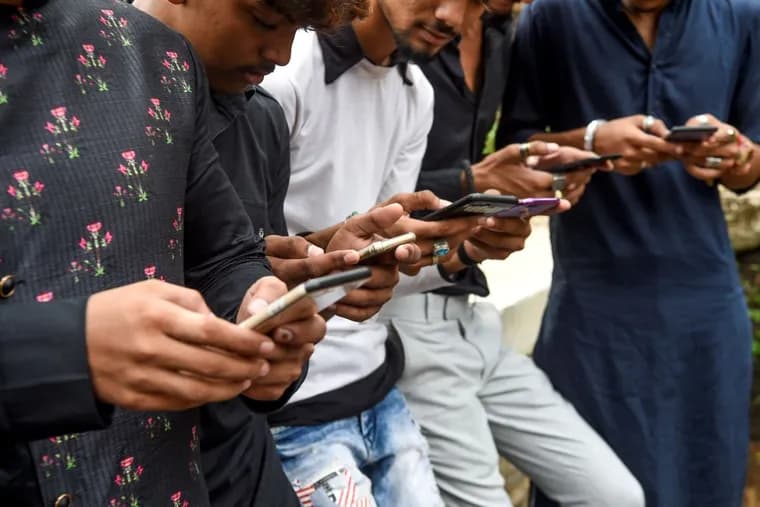
On Friday, India's Telecom Regulatory Authority (TRAI) amended its commercial-communications rules to require caller-ID and call-management apps to forward the spam reports their users file to a blockchain-based platform that telecom operators maintain and use to enforce anti-spam rules. TRAI says the change is meant to widen the pool of spam reports available for action against spammers by linking app-level reports to the telecom industry's own enforcement system.
Truecaller, the Stockholm-based caller-ID app for which India is the largest market (well over 350 million of its more than 500 million monthly active users worldwide), told TechCrunch it sees the requirement as a 'one-way exchange' that is 'anti-competitive,' since it hands commercially valuable data from apps like itself to telecom operators. A Truecaller spokesperson said the company has complied with the rule since late last year even though, in its view, spam has 'skyrocketed' under a related exemption. In its February report, Truecaller said its India users encountered around 42 billion spam calls in 2025 (blocked, labeled, or ignored), of which the company says it blocked nearly 12 billion.
The amendments keep an existing restriction that Truecaller has previously objected to: apps are still barred from blanket blocking, filtering, or spam-tagging calls from designated number ranges used for promotional, service, and transactional messages, though individual users can still block such calls themselves on their own devices.
Sumeysh Srivastava, a partner at The Quantum Hub who leads its telecom-regulation policy work, said the rule bridges two distinct layers: telecom operators run the underlying network and the blockchain-based anti-spam system, while caller-ID apps sit on top of the network to identify and filter calls, a design that raises technical and jurisdictional questions, including what reporting standards apps must follow and how the rule will be enforced against companies that are not themselves telecom operators. A March draft had proposed enforcing the requirement through India's IT laws, but Srivastava said the new announcement does not say whether that mechanism was retained. Kazim Rizvi, founding director of the policy think tank The Dialogue, said requiring an app to hand over one user's spam report is materially different from requiring it to share the broader datasets, reputation signals, or analytical systems behind its spam detection, and said the rules still need to clarify what must be transmitted, how users are notified or asked for consent, and how the data can later be retained and used. TRAI did not respond to TechCrunch's questions on how much information apps must share, or on whether the requirement also covers spam-reporting features built into Android and iOS.
The same amendments also bring automated and AI-powered calls under TRAI's application-to-person (A2P) framework: any call placed without a person directly dialing, including robocalls and calls using prerecorded or artificial voices, now falls under A2P rules, and companies must declare their use of such systems and the phone numbers involved to their telecom operators in advance, or the calls are treated as spam. Telecom operators may charge a termination fee of up to 5 paise (about 0.052 cents) per minute on A2P calls, with certain designated number ranges exempt. Srivastava said the key test is how a call is initiated rather than whether it uses an AI-generated voice, which leaves open questions about AI-assisted calls that still involve a human initiating them. Satya N. Gupta, a former additional secretary at TRAI, said the new rules do not stop businesses from using AI or other automated calling technology, only require them to disclose that use to telecom operators. Rizvi said the new A2P definition could also sweep in calls made using software even when a person remains involved, such as contact-center and click-to-call services, warning that without a clearer distinction the category risks becoming broader than the harm it targets.
Key facts
- TRAI, India's telecom regulator, amended its rules on Friday to require caller-ID and call-management apps to forward users' spam reports to a blockchain-based platform run by telecom operators.
- Truecaller, whose largest market is India (well over 350 million of its more than 500 million global monthly active users), calls the requirement a 'one-way exchange' that is 'anti-competitive.'
- Truecaller says its India users encountered around 42 billion spam calls in 2025, of which the company blocked nearly 12 billion.
- The same amendments bring automated and AI-voice calls under TRAI's application-to-person (A2P) framework, requiring advance disclosure to telecom operators or the calls are treated as spam; operators may charge up to 5 paise (about 0.052 cents) per minute on such calls.
- Telecom-policy specialists say the rules leave open how much data apps must transmit and how enforcement will work against companies that are not themselves telecom operators.
Why it matters
The rule pulls a major slice of consumer-generated spam intelligence out of individual apps and into a shared, operator-run system. For an app like Truecaller, users' spam flags are part of what makes its own detection work; feeding those reports into a platform telecom operators control blurs the line between a regulatory safety net and a transfer of competitively valuable data to the operators apps rely on for reach. The same amendments also fold automated and AI-voice calling into a single, existing regulatory bucket rather than writing new rules for it.
Who it affects
Caller-ID and call-management apps operating in India, led by Truecaller, for which India is the largest market. It also affects telecom operators, who now run the platform and receive the extra data, and any business or service that places automated or AI-voice calls in India, since those must now be declared to a telecom operator in advance.
How to use it
There is no consumer-facing price or product change to act on; the source names no fee to app users, only the termination charge telecom operators may levy on A2P calls (up to 5 paise, about 0.052 cents, per minute). A business running automated or AI-voice calling in India needs to register its systems and phone numbers with its telecom operator in advance, or those calls will be treated as spam under the new A2P rules.
How solid is it
The account rests on TRAI's own amended rules, an on-record comment from a Truecaller spokesperson, and independent input from three telecom-policy specialists: Sumeysh Srivastava of The Quantum Hub, Kazim Rizvi of The Dialogue, and Satya N. Gupta, a former TRAI additional secretary. TechCrunch notes TRAI itself did not respond to specific questions about scope. That the amendment exists and requires app-to-telecom data sharing is not in dispute; how much data must be shared and how enforcement will work are, by the specialists' own account, still open.
Risks and caveats
The source does not say whether the March draft's plan to enforce the rule through India's IT laws survived into the final version, nor does it give a year for 'Friday' or an effective date for the new requirement. It is also unclear whether the rule extends to spam-reporting features built into Android and iOS, since TRAI did not answer that question. No penalties or enforcement mechanism against non-compliant apps are described.
“While our data and user sentiment clearly show that spam has skyrocketed due to this free pass to spammers, we have been compliant with this since late last year”
— Truecaller spokesperson