Tristan Harris' Center for Humane Technology lays off about half its non-founder staff
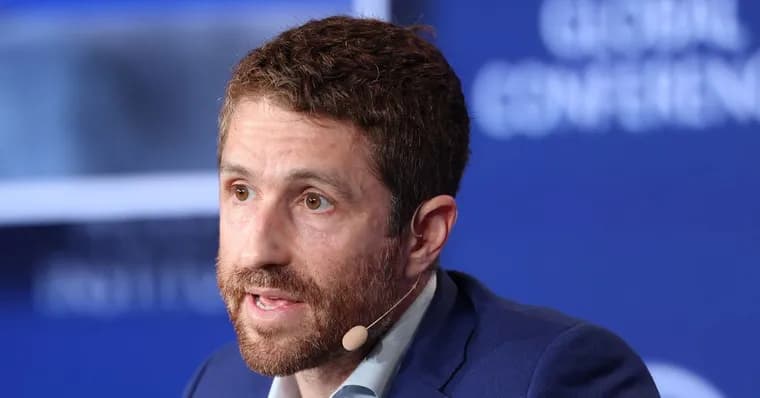
The Center for Humane Technology (CHT), the online safety group cofounded by former Google product manager Tristan Harris and featured in the documentary The Social Dilemma, is laying off about half of its 16 non-founder employees, ex-staffers told WIRED. The organization is ending its policy research and litigation work to focus on what it calls 'founder-led' projects.
The nine departures, which include executive director Julie Guirado and senior director of strategy Camille Carlton, come shortly after the center scored a series of major courtroom victories against social media companies. Those lawsuits drew on CHT's research alleging that the platforms were deliberately designed to keep kids glued to their screens. This year Meta agreed to settle some of the lawsuits for billions of dollars, and juries, including one that heard testimony from cofounder Aza Raskin, put the company on the hook for additional penalties in separate cases. Other social media platforms also agreed to settle similar litigation this year.
According to 16 former workers, most of whom spoke to WIRED earlier this year on condition of anonymity, internal debates over the organization's direction had been brewing for years. CHT's board decided that operating both as an advocacy group fronted by Harris and as a think tank producing policy papers had stretched it too thin. Going forward it will focus on initiatives with its founders at the forefront, including 'public education, targeted briefings, and private coordination,' the board announced last week. Functions such as assisting in litigation and evaluating AI tools will be eliminated, the board said, without giving an exact number of layoffs. Board chair Premal Shah told WIRED: 'This moment of accelerated AI risk demands we focus on one strategy, and we have chosen to focus on what we have always done best so that we can meet the moment.'
Harris has increasingly warned about advanced AI, including a potential 'AI takeover' if the software evades control. The center encouraged people to sign a major petition to pause AI development, helped organize a congressional hearing on chatbot dangers, and advised on lawsuits and investigations of AI labs, including an ongoing case against OpenAI brought by the parents of a teenager who died by suicide after interacting with ChatGPT. Harris also starred in The AI Doc, a Netflix documentary released last month. CHT was founded in 2017 with Raskin and Randy Fernando, and has an annual budget of roughly $6 million plus a similar amount in reserves, funded by wealthy families and foundations.
Former employees fear that, as the center doubles down on Harris, resources may be diverted away from what they see as more pressing concerns about AI's impact on democracy and civil liberties. Gail Barnes, who advised the center on social media strategy in its early days, says the board is dropping work meant to convert Harris' fame 'into durable pressure' that could change behavior inside companies. A leader at another tech nonprofit, who praised CHT's statehouse and courtroom work earlier this year, now calls the shift 'disappointing.'
The article also relays internal complaints from former staffers. Harris sometimes clashed with his team over whether to target consumers, tech companies or lawmakers; some found the culture 'frenetic' and 'insanity-inducing'; an online course for tech workers that drew thousands of participants was retired as Harris' focus moved to AI; and some described his management style as taxing, which they allege drove high turnover. In 2023, employees returned from a staff retreat upset by trust-building exercises they felt were overly personal; independent board members got involved, and Harris later stepped down as executive director to become president, according to former employees. Shah disputes the characterizations, says turnover stemmed from differences in problem analysis and approaches to the core mission, and denies the role change was tied to the retreat. Some former employees say they expect CHT to increasingly resemble what they jokingly call the 'Center of Helping Tristan.'
Key facts
- CHT is laying off about half of its 16 non-founder employees, per ex-staffers; the nine departures include executive director Julie Guirado and senior director of strategy Camille Carlton.
- The board is ending policy research and litigation work, including assisting in litigation and evaluating AI tools, to focus on 'founder-led' projects: public education, targeted briefings and private coordination.
- The move follows courtroom wins against social media companies; this year Meta agreed to settle some lawsuits for billions of dollars.
- CHT has an annual budget of roughly $6 million and a similar amount in reserves, funded by wealthy families and foundations.
- Former employees allege a taxing management style and a reluctance to criticize Silicon Valley insiders; board chair Premal Shah disputes these characterizations.
Why it matters
CHT is one of the best-known groups pressing for tech accountability, and its research fed the lawsuits against social media companies that have recently produced settlements and jury penalties. Dropping litigation support and AI tool evaluation just after those wins marks a sharp change of method at a time when, per WIRED, the center competes with established nonprofits and newer entrants for funding and attention in AI policy. The board frames the change as focusing on what CHT does best; critics inside and outside the group call it a retreat from institutional pressure.
Who it affects
The nine departing employees, including executive director Julie Guirado and senior director of strategy Camille Carlton, are hit first. The change also touches people who relied on CHT's advice in lawsuits and investigations of AI labs, such as the ongoing case against OpenAI brought by the parents of a teenager who died by suicide after interacting with ChatGPT. The center has been funded by wealthy families and foundations, and former employees worry that money will be diverted from AI's impact on democracy and civil liberties.
How to use it
This is organizational news, not a product or tool. For readers following AI and tech policy advocacy, the practical takeaway is what the board says CHT will now do: public education, targeted briefings and private coordination led by its founders, rather than policy papers and litigation assistance.
How solid is it
The layoff figures rest on ex-staffers speaking to WIRED. The board did not specify an exact number of layoffs; the nine departures figure comes from ex-staffers, and nine is more than half of 16 although the text says 'about half.' The new direction itself comes from the board's announcement last week and a statement from board chair Premal Shah. WIRED's account of internal dynamics draws on 16 former workers, most of whom spoke earlier this year and anonymously, plus a leader of another nonprofit who is also unnamed.
Risks and caveats
Many of the sharper claims are allegations from anonymous former employees: a taxing management style, high turnover, and founders reluctant to criticize companies where they or close contacts had worked. Shah disputes the characterizations, says CHT 'has always been tough on companies,' and denies that Harris' move from executive director to president was related to the 2023 retreat. No response from Harris himself on the layoffs is quoted. Whether the new focus is wisdom or retreat is a judgment call: Barnes puts it as depending on whether the binding constraint on AI is that people haven't heard the argument or that the argument lacks institutional teeth.
“This moment of accelerated AI risk demands we focus on one strategy, and we have chosen to focus on what we have always done best so that we can meet the moment”
— Premal Shah, CHT board chair, in a statement to WIRED