Trump Mobile apparently lacks FCC authorization for international calls, senator says
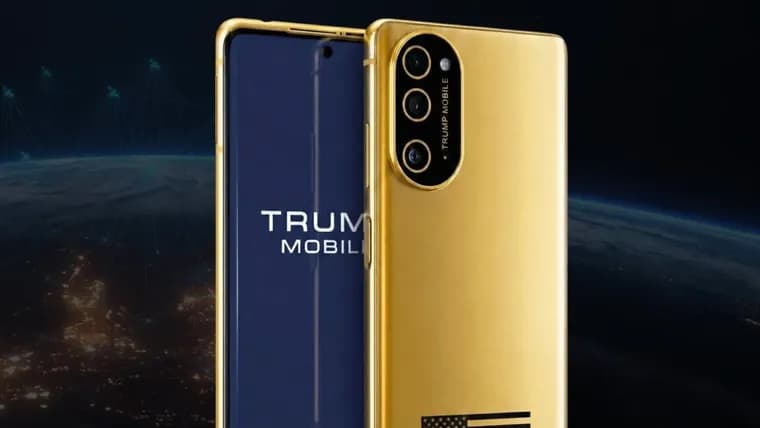
Sen. Maggie Hassan (D-N.H.), the top Democrat on the US Congress Joint Economic Committee, sent a letter to Trump Mobile and its CEO, Patrick O’Brien. In it she says the phone service company apparently failed to obtain the authorizations needed to run the international calling part of its service. Trump Mobile has a trademark and name licensing deal with the Trump family.
The core of the claim is about Section 214 of the Communications Act of 1934. Trump Mobile advertises that its customers can call more than 230 countries and territories. Hassan wrote that a search of the FCC’s International Communications Filing System suggests the company does not hold the necessary Section 214 authorization for these services. She says that raises questions about who is providing or reselling the international services Trump Mobile advertises, under what authority, and how committed the company is to rules designed to safeguard national security.
The letter adds a robocall problem. Trump Mobile also does not appear to have submitted a required plan for fighting robocalls. Its key business partner, Liberty Mobile Wireless, did make a robocall database filing, but Hassan said it was not complete. More broadly, she alleged that Trump Mobile failed to follow multiple FCC filing rules that are supposed to help ensure the security of mobile services.
The letter also turns to security. Hassan cited a report that hackers stole personal data of 3,615 customers, along with Trump Mobile’s earlier confirmation that a vendor it uses exposed customers’ personal data on the Internet. Referring to the recent breach, she called it worrisome that a ransomware group claimed that when it notified Trump Mobile, the company responded: ‘[w]e have no team to handle this.’ That is the group's claim as relayed by Hassan.
Finally, Hassan wrote that Trump Mobile seems to lack a robust customer authentication process and offers streamlined service activation that can make it easier for scammers to obtain US numbers.
Key facts
- Sen. Maggie Hassan wrote that Trump Mobile apparently failed to obtain the authorizations needed for the international calling part of its service, citing Section 214 of the Communications Act of 1934.
- Trump Mobile advertises calling to more than 230 countries and territories, yet an FCC International Communications Filing System search suggests it holds no Section 214 authorization, Hassan wrote.
- The company also does not appear to have submitted a required robocall-mitigation plan; partner Liberty Mobile Wireless filed in the robocall database, but incompletely, per Hassan.
- Hassan cited a report that hackers stole personal data of 3,615 customers, and the company's earlier confirmation that a vendor exposed customer data online.
- A ransomware group claimed Trump Mobile answered its breach notice with 'we have no team to handle this'; Hassan also says customer authentication looks weak.
Why it matters
The letter ties two regulatory gaps to a security record. If a carrier sells international calling without the Section 214 authorization, it is unclear who is actually carrying those calls, and Hassan frames that as a national security question. Add the missing robocall plan and a reported data theft, and the picture is of a brand-name phone service whose compliance and security basics are in doubt. The name licensing deal with the Trump family is part of why the company draws attention, though the letter's claims concern the company's filings and practices.
Who it affects
Trump Mobile customers are the most direct group: 3,615 of them reportedly had personal data stolen, and a vendor the company uses exposed customers' personal data online. Anyone receiving calls on US numbers is touched by the robocall-plan point, and the letter says easy activation can help scammers obtain US numbers. Trump Mobile, its CEO Patrick O’Brien and partner Liberty Mobile Wireless are the named targets of the questions.
How to use it
There is nothing to install or buy here; this is a regulatory dispute, not a product. The practical value is in the method and the checklist. Hassan's authorization claim rests on a search of the FCC’s International Communications Filing System, and her letter lists what to check at a carrier: Section 214 authorization for international service, a robocall-mitigation plan, a complete filing in the robocall database, and customer authentication at activation. The source does not say what deadline or action Hassan demands from the company.
How solid is it
This is a senator's allegation, reported secondhand by the article, and it is hedged by Hassan herself: the apparent absence of authorization, and a database search that 'suggests' the company lacks it. The source does not say whether the FCC has confirmed it. The 3,615 figure comes from a report cited by Hassan, and the source text does not name the outlet that published it. The 'no team' remark is a ransomware group's claim, relayed by Hassan. No response or comment from Trump Mobile, Liberty Mobile Wireless, or the FCC is included in the text.
Risks and caveats
Do not read the letter as a finding of wrongdoing: it questions and alleges, and the company's side is not in the article. The source does not say who the hackers or the ransomware group are, when the breach occurred, which vendor exposed the data, or what data was exposed. The exact date of the letter is given only as 'today'. Hassan is the top Democrat on the Joint Economic Committee, and the letter is her own document, so its conclusions are hers, not an agency's.
“The apparent absence of authorization for Trump Mobile international services raises questions about who is providing or reselling the international telecommunications services advertised by Trump Mobile, the authority under which those services are being provided, and the company’s commitment to complying with requirements designed to safeguard national security”
— Sen. Maggie Hassan (D-N.H.), in a letter to Trump Mobile CEO Patrick O’Brien