TypeSafe AI raises $870M at $7.5B valuation for non-text model Jev
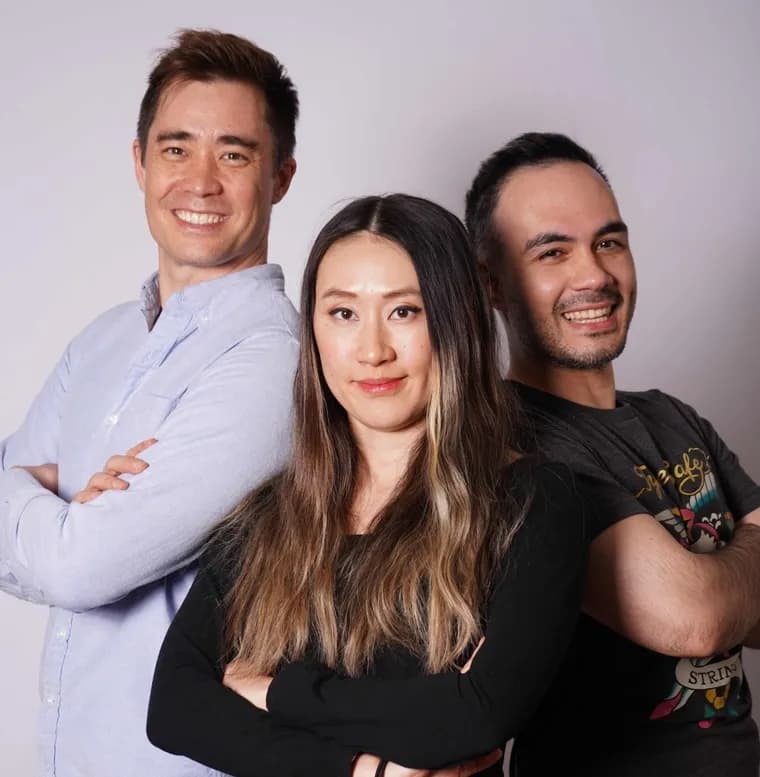
TypeSafe AI, the developer of Jev, has raised $870 million at a $7.5 billion valuation. Andreessen Horowitz led the round, with participation from Sequoia and existing investor DCVC. The deal comes just a few weeks after Jev launched on September 15, when the model, according to the article, went viral almost instantly.
Jev is described as a new type of AI model. It is based on a transformer architecture but is not a large language model. It does not output text. Instead it produces probabilities, which the company calls "calibrated decisions." TypeSafe's pitch is that this makes Jev uniquely suited to automating tasks rather than generating text or code.
The startup says that a third of Fortune 500 companies are already using the model. The article calls that a remarkably swift adoption by enterprises. What has users and large corporations excited, according to the article, is TypeSafe's claim that Jev works significantly faster and uses far fewer tokens than LLMs.
Co-founder Diogo Almeida told TechCrunch last month: "We have been super good at human language for four years, but it’s not useful for automation because computers speak a different language." Almeida was previously a researcher at OpenAI. TypeSafe was co-founded in 2024 by Almeida, former Meta research engineer Sasha Sheng, and Erik Gafni, an engineer and entrepreneur.
Key facts
- TypeSafe AI raised $870 million at a $7.5 billion valuation, led by Andreessen Horowitz with Sequoia and existing investor DCVC participating.
- Jev was released on September 15; the round came a few weeks later.
- Jev uses a transformer architecture but is not an LLM: it outputs probabilities, which the company calls "calibrated decisions", rather than text.
- TypeSafe claims Jev is significantly faster and uses far fewer tokens than LLMs, and that a third of Fortune 500 companies already use it.
- TypeSafe was co-founded in 2024 by Diogo Almeida (ex-OpenAI researcher), Sasha Sheng (former Meta research engineer) and Erik Gafni.
Why it matters
An $870 million round at a $7.5 billion valuation, arriving a few weeks after the September 15 release, is a fast move for a startup founded in 2024. The product behind it is also unusual: a transformer-based model that is not an LLM and returns probabilities instead of text. TypeSafe frames this as a model built for automating tasks, not for generating language or code, and investors including Andreessen Horowitz and Sequoia have backed that framing.
Who it affects
Enterprises are the main audience. The startup says a third of Fortune 500 companies are already using Jev, and the article says large corporations are excited about its claimed speed and lower token use. It also touches anyone weighing LLMs for automation work, since TypeSafe positions Jev as an approach suited to automating tasks rather than generating text or code.
How to use it
The source gives no details on access, pricing or usage metrics for Jev. What it does say is how the model is meant to be used: for automating tasks, where it returns probabilities ("calibrated decisions") rather than text. Readers who want to try it will need to look to TypeSafe directly.
How solid is it
The article reports the funding: $870 million at a $7.5 billion valuation, led by Andreessen Horowitz with Sequoia and DCVC. The adoption and performance claims are different. The Fortune 500 figure is the startup's own claim, with no independent verification and no customer companies named. The speed and token claims are likewise TypeSafe's, and no numbers are given for either.
Risks and caveats
No benchmark figures back "significantly faster" or "far fewer tokens", so the central selling point cannot be checked from this report. Beyond "transformer" and probability-based output, no details of the architecture are given. The amounts from individual investors are not stated, and the round is not described as any named stage. The viral popularity and the enterprise adoption both rest on the company's account and the article's characterisation.
“We have been super good at human language for four years, but it’s not useful for automation because computers speak a different language”
— Diogo Almeida, TypeSafe co-founder, to TechCrunch