Michael Smith gets 18 months in prison for bot-farming AI music streams
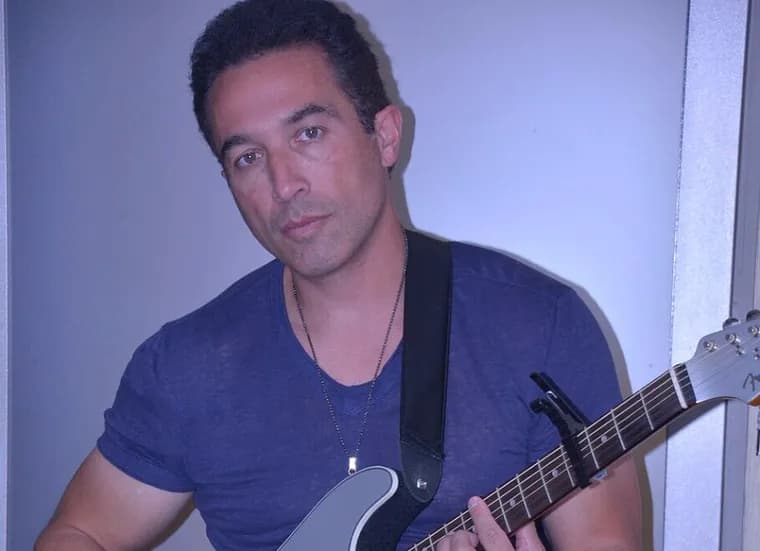
Michael Smith, a 54-year-old North Carolina man and musician, has been sentenced to 18 months in prison for collecting millions in royalties from bot-farmed streams of AI-generated songs. The US Justice Department announced the sentence in a press release on 6 October. Smith was sentenced on one count of conspiracy to commit wire fraud, having pleaded guilty in court in March of this year. He has also been forced to forfeit the $8 million in royalties he earned from the bot-generated streams.
The scheme ran from 2017 until his arrest in 2024. According to the Justice Department, Smith created as many as 10,000 fraudulent accounts to stream songs he owned, which were largely made using AI. He also spread his automated streams across thousands of songs, to avoid the kind of anomalous streaming of a single song that might alert people to the fraud. His hundreds of thousands of AI-generated songs were streamed by his bot accounts billions of times.
The Justice Department gave one comparison. In April 2023, the entire catalogue of Taylor Swift received 9.3 million streams on YouTube Music from family plan streams. In the same month, Smith's bot accounts used family plans to fraudulently stream his AI-generated music 80.9 million times, roughly 8.7 times as many.
US Attorney Jamie McDonald said: "Michael Smith exploited super intelligence technology to generate a fraud." McDonald was quoted further as saying that by flooding streaming platforms with bots in place of consumers and fake songs in place of creativity, Smith "robbed millions in royalty payments from genuine artists and their fans," and that the office is committed to the integrity of all markets and to protecting the public from those who use super intelligence for fraud. The article adds, in a parenthetical of its own, that "super intelligence" is the term President Donald Trump has ordered government employees to use in documents and statements in place of "artificial intelligence".
Key facts
- Michael Smith, 54, of North Carolina was sentenced to 18 months in prison on one count of conspiracy to commit wire fraud; he pleaded guilty in March.
- He must forfeit the $8 million in royalties earned from bot-generated streams between 2017 and his arrest in 2024.
- The Justice Department says he created as many as 10,000 fraudulent accounts to stream largely AI-made songs he owned, and spread plays across thousands of songs to avoid detection.
- In April 2023 his bots streamed his music 80.9 million times via family plans, against 9.3 million YouTube Music family plan streams for Taylor Swift's entire catalogue.
- The Justice Department announced the sentence in a press release on 6 October.
Why it matters
The case ties AI music generation to a criminal fraud sentence. The songs were largely made with AI, and bot accounts streamed them billions of times, so the volume of cheap content and the fake listening both fed one royalty stream. The Justice Department's Taylor Swift comparison shows the scale: 80.9 million fraudulent streams in April 2023 against 9.3 million family plan streams for her whole catalogue on YouTube Music. The sentence is 18 months, and the $8 million forfeiture removes the proceeds.
Who it affects
Genuine artists and their fans are named by US Attorney Jamie McDonald as the victims, since royalty payments went to bot-driven streams instead. Streaming platforms are affected as the venues of the fraud, though the article names only YouTube Music and otherwise says "music streaming platforms". Anyone running automated streaming operations now has a concrete example of a prison sentence and forfeiture.
How to use it
This is a court outcome, not a product or tool, so there is nothing to adopt. As a reference, it records how the Justice Department describes the method: many fake accounts, family plans, and plays spread across thousands of songs so no single track looked unusual. It also shows the charge used, conspiracy to commit wire fraud.
How solid is it
The account rests on a Justice Department press release, as relayed by the article, and on the guilty plea in March. The sentence, forfeiture, charge and dates are stated plainly. Figures such as "as many as 10,000" accounts and the Taylor Swift comparison are the Justice Department's own, reported by the article.
Risks and caveats
The article does not name a court, judge or city, does not say which AI tools made the songs, and does not say who paid the $8 million or how it is split among artists or platforms. It does not say whether Smith had accomplices, though the charge is conspiracy. No reaction from Smith or his lawyers is quoted. The "super intelligence" wording is McDonald's; the aside about President Trump's order is the article author's, not McDonald's. "As many as 10,000" is an upper bound, not a firm count.
“By flooding music streaming platforms with automated bots in the place of consumers, and fake songs in the place of creativity, Smith robbed millions in royalty payments from genuine artists and their fans.”
— Jamie McDonald, US Attorney