Waymo ordered to halt overnight charging in Santa Monica
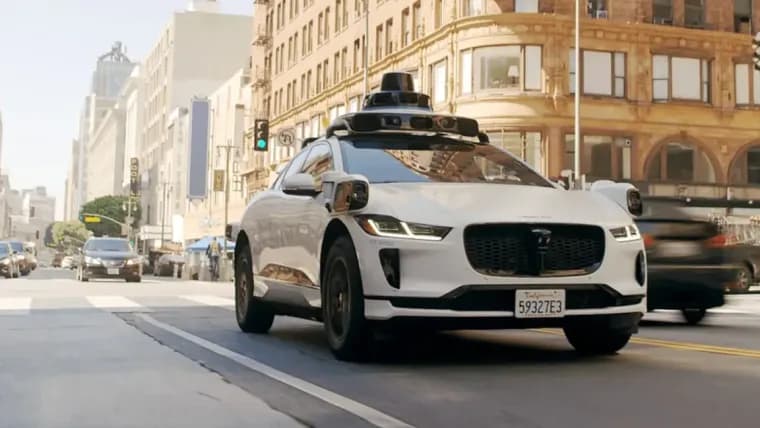
Los Angeles Superior Court Judge Bradley S. Phillips granted the City of Santa Monica's motion for a preliminary injunction this week in the city's ongoing public nuisance lawsuit against Waymo. The order forbids the company from operating its side-by-side charging lots on Broadway at 12th and Euclid Streets between 11 pm and 6 am, on the grounds that overnight use of the facilities may pose a public nuisance.
City officials and neighbors argued that a constant stream of vehicles pulling in and out of the charging stations creates light and sound pollution and causes traffic congestion on nearby streets and alleys. The Broadway lots sit directly across from a private school, with apartment buildings and other residences close by; some residents have complained about the noise and disruption for over a year. Resident Christopher Potter, who says he lives right next to the lots, described "the constant 'beep beep beep' sound as the autonomous vehicles back out of their spaces" as an incessant disturbance that disrupts both daytime calm and nighttime peace.
With the restriction now in effect, neighbors say they can already feel the difference. Dylan Moore, who lives down the block from the lots and previously built the WaymoProblems.org website, told Ars Technica he walked the neighborhood the night after the order took hold and could hear crickets instead of the fleet's constant activity.
Key facts
- LA Superior Court Judge Bradley S. Phillips granted Santa Monica's motion for a preliminary injunction against Waymo this week.
- The order bars Waymo from operating its Broadway charging lots at 12th and Euclid Streets between 11 pm and 6 am.
- The ruling stems from the city's public nuisance lawsuit; officials and neighbors say the charging traffic causes light and sound pollution and congestion.
- The Broadway lots sit across from a private school, near apartments and other homes; some residents have complained for over a year.
- Neighbor Dylan Moore, who runs the site WaymoProblems.org, said the area is noticeably quieter since the order took effect.
Why it matters
This is a court-ordered curb on how a robotaxi operator can run its own charging infrastructure, granted through a public nuisance lawsuit rather than a new law or regulation. It shows a city government successfully using existing nuisance law against an autonomous vehicle company's operations, which could encourage other municipalities frustrated by fleet noise to pursue the same route.
Who it affects
Waymo's overnight charging operations in Santa Monica, and by extension its local fleet logistics, since the Broadway lots at 12th and Euclid Streets are now off limits between 11 pm and 6 am. It also affects the residents and the private school near those lots, and potentially other cities and AV operators watching how the case unfolds.
How to use it
For Waymo, the order means finding another way to charge vehicles overnight at this location or shifting charging outside the restricted hours; the source does not say which option the company will take. For other cities weighing complaints about robotaxi fleet noise or traffic, the Santa Monica case offers a template: a public nuisance lawsuit seeking a preliminary injunction against specific hours or specific facilities.
How solid is it
The account comes from a single outlet, Ars Technica, but includes the named judge, the specific legal motion granted, the exact streets and hours covered by the order, and on-record quotes from two named residents, one of whom spoke directly to the outlet after the order took effect. No exact calendar date is given for the ruling, only "this week."
Risks and caveats
The source includes no statement or response from Waymo, so the company's position and its plan for overnight charging are unknown. It is also unclear whether the injunction covers any Waymo charging locations beyond the Broadway lots, and no count of complaints or complainants is given beyond "some residents" over more than a year. The ruling is a preliminary injunction tied to one lawsuit in one city, not a broader legal precedent on autonomous vehicle operations.
“The constant 'beep beep beep' sound as the autonomous vehicles back out of their spaces (in their own lots) is an incessant disturbance that hinders both our tranquillity during the day and our peace during the night.”
— Christopher Potter, resident living next to the Waymo charging lots