Meta piles new features onto its Muse AI agent at Connect
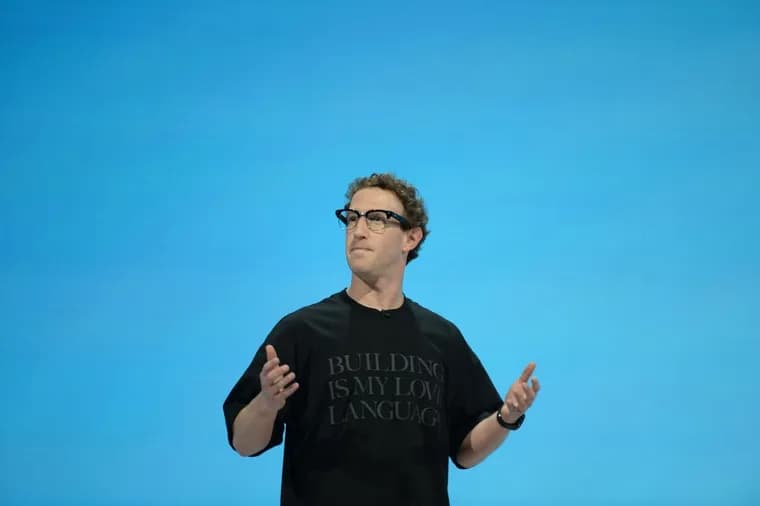
Meta CEO Mark Zuckerberg opened the company's annual Connect event in Menlo Park on Wednesday by declaring the AI agent Muse, which launched in early September, the centerpiece of Meta's consumer AI strategy. Muse is built to handle everyday tasks by connecting to a user's apps and services, including email and calendars, and it runs on Muse Spark, Meta's multimodal model for agentic work. Zuckerberg said he expects Muse to grow into "the personal superintelligence that billions of people around the world are going to use to accomplish their goals and improve their lives," and said Meta plans to make Muse free for a large number of tokens while eventually profiting from a small fee on transactions it carries out for users. Muse's physical avatar is named Jolly, according to Zuckerberg.
The keynote detailed several new capabilities. A new model called Muse Realtime Avatar will let users conjure a distinct digital avatar for their agent and video chat with it live, giving it tasks or asking it questions; the feature was demoed on stage but Meta gave no release date. Muse is also coming to Meta's smart glasses, where users will be able to activate it with a wake word to get a guided workout, log meals, book an appointment or help buy something they see; Meta said this should arrive "in the coming months" but gave no firm date. Muse is also being extended to Mac, where it will be able to operate any app on a user's desktop to complete delegated tasks, similar to agents from OpenAI and Anthropic. Meta's chief AI officer Alexandr Wang said of the Mac feature: "You can have it help you run your small business, or just get work done for you. You can walk away from your computer and it keeps working for you on all the jobs you lined up." Wang also announced Muse will get its own email address, coming "soon" without a precise date, letting users add Muse to email threads or forward it messages to act on.
On shopping, Meta has struck partnerships with Stripe and Shopify. According to Wang, Muse can agentically access the entire Shopify product catalog and use Lync and now Shop Pay to buy nearly anything online, and Meta has added more support for PayPal payments. New retail partnerships were announced with Best Buy, Gap, Sephora, Walmart and Wayfair, plus connections to Expedia and, soon, Instacart, along with connectors for GitHub, Granola and Notion. Wang said Meta wants Muse to work with small businesses too: after opening its platform to developers to build their own "connectors," Meta received more than 1,500 applications in less than a week. Wang called it "a generational opportunity to start building for a new platform as it takes off," adding that the response so far has been "really great."
Key facts
- Meta CEO Mark Zuckerberg called Muse, which launched in early September, the centerpiece of Meta's consumer AI vision at Connect on Wednesday, saying it should free for a large number of tokens while Meta later profits from a small transaction fee.
- New Muse Realtime Avatar lets users video chat live with a personalized avatar of their agent; a smart-glasses integration is promised 'in the coming months' and a Mac version will let Muse operate desktop apps.
- Muse is getting its own email address 'soon' so it can act on forwarded messages or join email threads on a user's behalf.
- Meta added shopping partnerships with Stripe, Shopify, PayPal, and retailers including Best Buy, Gap, Sephora, Walmart, Wayfair, Expedia and soon Instacart, plus connectors for GitHub, Granola and Notion.
- After opening its platform to third-party 'connector' developers, Meta received more than 1,500 applications in under a week, according to chief AI officer Alexandr Wang.
Why it matters
Muse is barely three weeks old, yet Zuckerberg used Meta's flagship Connect keynote to frame it as the company's central bet on consumer AI, going as far as calling it a future 'personal superintelligence.' The breadth of the rollout, avatars, wearable integration, desktop control, its own email identity and a retail ecosystem, signals Meta is racing to turn Muse into a default daily agent rather than a narrow chatbot feature.
Who it affects
Meta AI users and smart-glasses owners who will eventually be able to talk to Muse directly, Mac users who will be able to delegate desktop tasks to it, third-party developers building 'connectors' for the platform, and retail and payments partners including Stripe, Shopify, PayPal, Best Buy, Gap, Sephora, Walmart, Wayfair, Expedia, Instacart, GitHub, Granola and Notion.
How to use it
Muse already runs across a user's apps and devices, including email and calendars, on Meta's Muse Spark model. Zuckerberg said Meta will make it free for a large number of tokens, with Meta eventually taking a small fee on transactions Muse completes. The avatar video-chat feature was demoed on stage; the smart-glasses integration is due 'in the coming months'; Mac support and a dedicated Muse email address are coming 'soon,' though Meta has not given exact dates for any of the three.
How solid is it
The account is based on Meta's own Connect keynote, with on-record quotes from Zuckerberg and chief AI officer Alexandr Wang, and on-stage demos of features like Muse Realtime Avatar; it reflects Meta's announcements and framing rather than independent verification of the features' real-world performance.
Risks and caveats
Meta has not disclosed what fee it will eventually charge on transactions or how many tokens count as 'a huge number,' nor set firm release dates for the smart-glasses integration, Mac support, the Muse email address, or the Realtime Avatar feature beyond vague windows like 'the coming months' and 'soon.' The 1,500 connector applications were not broken down by which developers or retailers submitted them.
“The centerpiece of our vision for what we're building is Muse. In the coming years, I expect that Muse is going to grow into the personal superintelligence that billions of people around the world are going to use to accomplish their goals and improve their lives.”
— Mark Zuckerberg, Meta CEO