Meta is making a standalone Muse AI gadget
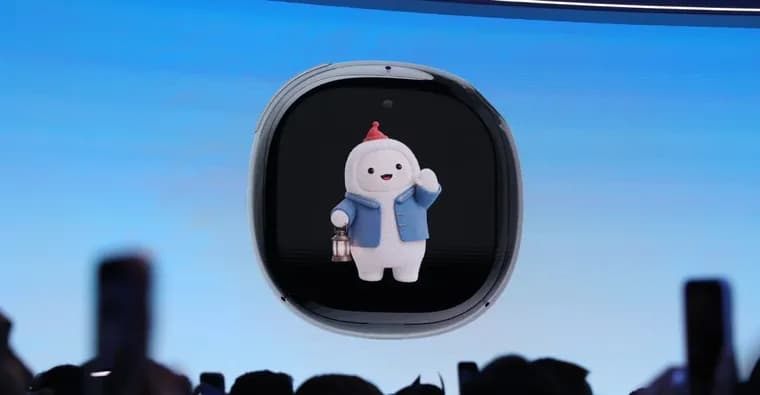
Meta is building a dedicated hardware device for its Muse AI agent, called Muse Charm. Meta CEO Mark Zuckerberg showed it off briefly at the end of the Meta Connect presentation. The device looks almost like a chunky smartwatch without the strap: a big screen paired with a small lanyard for carrying it around. It has a fingerprint sensor on the top right corner that can be pressed to activate the device and start speaking to the agent, what appears to be a small camera, and at least three holes on the front that look like microphones. Zuckerberg said the Charm does not require unlocking a phone or opening an app to use, but he did not explain how the device actually connects to Meta's servers. Meta wants to ship the Charm in time for the holidays in December, though Zuckerberg said the company has so far only built a few of the devices, and still needs to finalize what he called "the finishing material." He teased a translucent exterior that would show the gadget's internals, describing it as an "elevated hacker aesthetic," and promised more details soon. Muse itself is less than a month old but has already become a prominent product for Meta; during the same keynote Zuckerberg detailed new capabilities being added to the agent, including computer use on Macs and control over an email address. The Muse Charm enters a crowded and largely experimental field of AI hardware. The closest comparison is the Rabbit R1, a similarly sized standalone AI device that, according to the article, was not capable enough to be worth carrying around. The Muse Charm reveal is read as a sign of how badly Meta wants to win the race for the next big hardware platform, even as it moves quickly to test whether Muse as a physical device can succeed.
Key facts
- Meta CEO Mark Zuckerberg showed off Muse Charm, a standalone hardware device for the Muse AI agent, at the end of the Meta Connect keynote.
- The device resembles a chunky smartwatch without a strap, with a screen, a lanyard, a fingerprint sensor to activate it, a small camera, and at least three microphone holes.
- It works without a phone, needing no unlocking or app to speak to the agent, though Meta has not said how it connects to its servers.
- Meta plans to ship the Charm in time for the December holidays but has so far built only a few units and still needs to finalize its exterior material.
- Muse, Meta's AI agent, is less than a month old and is also gaining new abilities such as computer use on Macs and control over an email address.
Why it matters
Meta is pushing its Muse AI agent off the phone and into its own dedicated gadget, signaling how much it wants to control the hardware layer for AI assistants rather than leave that ground to phone makers or standalone-device startups.
Who it affects
It matters most to Meta's AI hardware ambitions and to companies already competing in the standalone AI-device space, since Muse Charm lands in the same category the Rabbit R1 tried and, per the article, failed to make worthwhile.
How to use it
No price, release date beyond "the holidays in December," or technical specs like screen size, battery life or storage were given. Using it reportedly requires no phone: pressing the fingerprint sensor on the device activates it so you can speak directly to the agent.
How solid is it
This comes directly from Meta's own Connect keynote and Zuckerberg's on-stage remarks, but the device was only briefly shown, Meta says it has built just a few units, and key details, including how it connects to Meta's servers, were not disclosed.
Risks and caveats
The product is unfinished: Zuckerberg said the exterior material still needs to be finalized, and only a handful of units exist so far. The article also notes the closest prior attempt at this kind of gadget, the Rabbit R1, was not capable enough to be worth carrying, an open question for whether Muse Charm fares differently.
“only built a few of these so far”
— Mark Zuckerberg, Meta CEO