Microsoft outage hid a pool chlorine alarm at Phantasialand hotel, 15 guests hurt
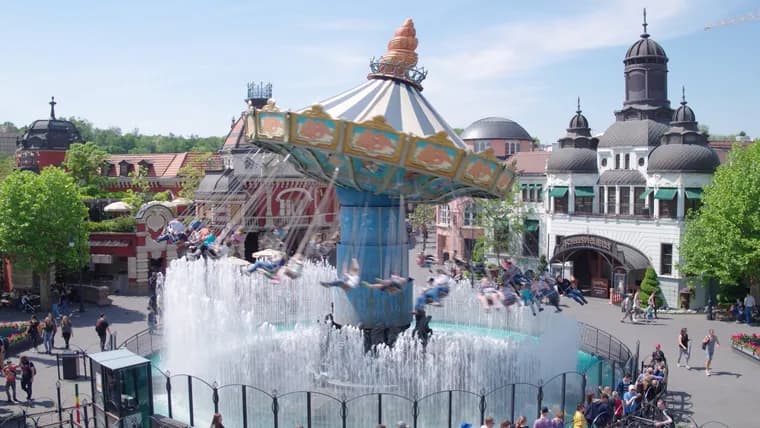
On Friday a disruption took out services of the US software company Microsoft, Outlook among them. The Phantasialand theme park in Brühl was hit too. Phantasialand told the regional broadcaster WDR on Saturday that, because of the disruption, no emails arrived.
That mattered because the maintenance safety system of the park's sauna area had already raised an alarm by email. The pool's automatic dosing system had pumped too much chlorine into the water. With the mail not arriving, nobody noticed the warning.
Guests at the park's Hotel Ling Bao in Brühl were injured. They reported health problems after visiting the pool. Rescue services and the fire brigade were called. Thirteen guests complained of respiratory tract irritation, and the total number affected finally rose to 15.
The hospital figures changed during the day. At first it was said that five guests were taken to hospital; the number was later corrected to four. One of those four stayed in hospital for observation because of a moderately severe injury.
Tests by emergency services at the hotel found a defect in the pool's automatic dosing system, which had led to a clearly excessive chlorine content. The pool was temporarily closed, and the water was replaced. The fire brigade told WDR on Saturday that the pool has since been reopened.
The WDR report lists its sources as the police and fire brigade of Rhein-Erft-Kreis, a press release from the Brühl fire brigade, and Birgit Reckersdrees of Phantasialand's marketing and sales management. It aired on WDR2 on 14 November 2026 and on WDR Fernsehen on 15 November 2026.
Key facts
- A Microsoft disruption on Friday, including Outlook, stopped emails arriving at the Phantasialand theme park in Brühl.
- The sauna area's maintenance safety system had sent an email alarm that the automatic dosing system pumped too much chlorine into the pool; nobody saw it.
- Fifteen guests of Hotel Ling Bao were affected in total; 13 complained of respiratory tract irritation.
- Hospital figures were corrected from five guests to four; one stayed for observation with a moderately severe injury.
- Emergency services found a defect in the automatic dosing system. The pool water was replaced and the pool has been reopened.
Why it matters
Two separate failures lined up. The pool's automatic dosing system was defective, and the email that would have warned staff never arrived because of the Microsoft disruption. The defect and the outage are not linked: the report does not say the outage caused the dosing fault. The missed email is what let the fault go unnoticed. It is a small, concrete case of an ordinary service outage reaching into physical safety.
Who it affects
Directly, the 15 guests of Hotel Ling Bao who were affected, four of whom went to hospital. Beyond them, any operator whose safety alarms travel by email, since this account shows an alert that was sent but never seen.
How to use it
There is no product or tool to adopt here. The practical reading comes from the facts of the case: the alarm in this account was sent by email, and the email did not arrive during the outage.
How solid is it
Reasonably solid. It is a report by the regional broadcaster WDR, drawing on the Rhein-Erft-Kreis police and fire brigade, a Brühl fire brigade press release and a Phantasialand spokesperson. The email explanation comes from Phantasialand's own statement to WDR on Saturday. The defect in the dosing system was found by emergency services' tests at the hotel.
Risks and caveats
The report never says "chlorine gas" or "poisoning"; it says too much chlorine was pumped into the pool and guests reported respiratory tract irritation. It does not name Microsoft 365 or any cause of the Microsoft disruption, only Microsoft and Outlook. It gives no exact calendar date for the incident (only Friday and Saturday), no chlorine measurements and no duration of the outage or the pool closure. It also gives no statement on liability, compensation or investigations.