NASA issues 360-page request for private stations to succeed the ISS
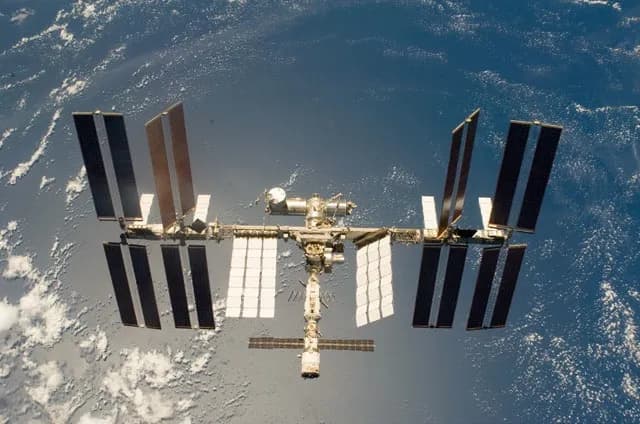
NASA on Friday released a much-anticipated request to the US commercial space industry to develop private space stations. As early as 2030, the stations are meant to succeed the International Space Station as a place for astronauts to live in low-Earth orbit.
The request comes as a 360-page "request for proposals". In a cover letter, NASA stated its plan: "This will ensure NASA has a sustained human presence in LEO for crew members to perform science and exploration." Several private companies that have worked for years on designing and developing such stations had been keen to learn exactly what capabilities NASA is seeking, and the new documents finally provide some answers.
The schedule is short. Industry responses are due back to NASA on December 8. NASA said it plans to select "two or more" contractors in this phase of the competition, and it intends to make a final decision in April. Phase 1 winners will be guaranteed at least $100 million.
NASA Administrator Jared Isaacman said in a statement accompanying the release: "We’ve made it clear that NASA will never give up its presence in low Earth orbit. We will continue to need a place to conduct research, develop technologies, train crews, and prepare for missions to the Moon and Mars. Commercial space stations may provide that capability while creating new opportunities for American industry and allowing NASA to concentrate more of our resources on the near-impossible missions ahead."
On who will bid, the article says bidders for this funding phase will certainly include Axiom Space, Voyager Space, and Vast Space. Blue Origin won an earlier round of funding from NASA, but questions remain about the company’s commitment to the program. SpaceX appears unlikely to bid, at least for now.
Key facts
- NASA released a 360-page request for proposals for commercial stations meant to succeed the ISS as a place for astronauts to live in low-Earth orbit, as early as 2030.
- Industry responses are due December 8; NASA plans to pick "two or more" contractors in this phase and intends to decide in April.
- Phase 1 winners will be guaranteed at least $100 million.
- Axiom Space, Voyager Space and Vast Space will certainly bid; SpaceX appears unlikely to, and questions remain about Blue Origin's commitment.
Why it matters
Companies have spent years designing private stations without a clear statement of what NASA wants to buy. This request is that statement, and it turns a long-discussed idea into a formal competition with a deadline. It also sets the terms for how astronauts could keep a living and working presence in low-Earth orbit once the ISS is succeeded, which the article says could happen as early as 2030. Isaacman framed the point plainly: NASA will never give up its presence in low Earth orbit.
Who it affects
The US commercial space industry first. Axiom Space, Voyager Space and Vast Space are named as certain bidders for this phase. Blue Origin won an earlier round of NASA funding, and SpaceX appears unlikely to bid for now. NASA is affected too: Isaacman says commercial stations could let the agency put more of its resources into missions to the Moon and Mars, while it keeps a place for research, technology development and crew training.
How to use it
This is a procurement document, so the audience is companies able to build and run a station. They have until December 8 to respond to the solicitation, which the original article links to. NASA intends to select two or more contractors in this phase and to decide in April. For other readers, the practical use is as a schedule marker: bids in December, a decision in April, stations as early as 2030.
How solid is it
Solid on the basics. The report rests on NASA's own release: the cover letter on the request for proposals, the stated deadline and decision timing, and a statement from the NASA Administrator. The list of likely bidders and the read on SpaceX and Blue Origin are the article's own assessment, not something NASA announced.
Risks and caveats
The 2030 date is "as early as", not a commitment. Isaacman says commercial stations "may" provide the needed capability, which is a hedged phrasing. The guaranteed $100 million applies to Phase 1 winners and is stated as a minimum; the article gives no total program budget. Questions remain about Blue Origin's commitment, and SpaceX appears unlikely to bid, so the field could be narrower than the industry's size suggests. The final decision is still months away.
“We’ve made it clear that NASA will never give up its presence in low Earth orbit”
— Jared Isaacman, NASA Administrator