North Richland Hills asks $2.3M for Flock camera records
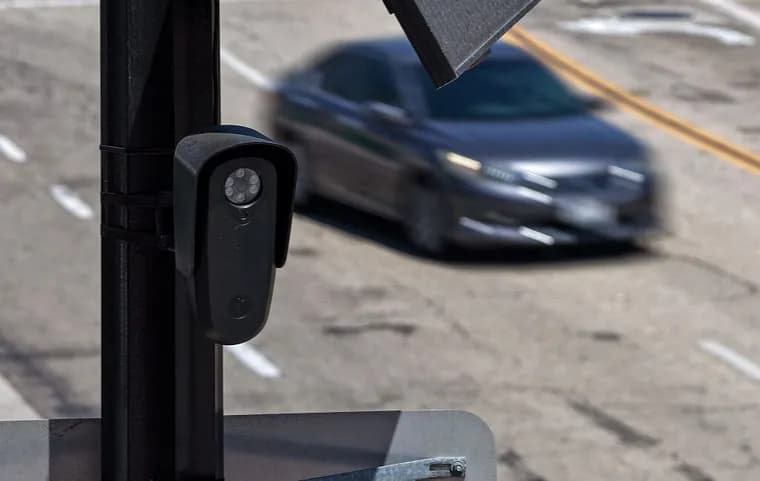
As bipartisan backlash against Flock grows, some cities are asking anti-surveillance advocates and media outlets to pay very large fees, in some cases tens of thousands of dollars or even millions, for information about how police use AI-enabled camera systems that track every vehicle passing them. Ars Technica's report centres on one example from Texas.
On Monday, the Texas Tribune reported that city officials in North Richland Hills, a Fort Worth suburb, asked one group to pay $2.3 million before they would fulfil a public records request for Flock data. To reach that figure, officials claimed that searching "about a terabyte worth of communications about errors, misuse, and effectiveness of the Flock system" would take approximately 14 years of labor at a rate of $15 per hour.
Phil Mynona filed the request using a pseudonym on behalf of his group, the Texas Privacy Coalition. He told the Tribune the fee seemed "ludicrous" and designed to stifle his public records searches. Mynona has sought similar records from more than 200 law enforcement agencies across the US, and said it was impossible to predict how cities assessed fees for Flock records. Some cities provided more than 400,000 pages of documents for free, while others charged $5,000. Other groups, including a Houston news station called KPRC, have seen officials quote up to $121,000 for Flock records, the Tribune reported.
Ars Technica says the high price tags may be hiding data that anti-surveillance groups note have triggered audits, arrests, and changes in how law enforcement uses cameras, including decisions to get rid of cameras. It adds that many cops have been found using the cameras to stalk strangers and people in their personal lives, and that so far Flock has yet to introduce meaningful reforms.
The article holds up Texas as an example of how transparency about police use of Flock cameras can protect the public from invasive searches that serve no lawful purpose. Last week, an ex-Texas cop, Zachary Anthony Klein, reportedly pled guilty to 100 felony counts of misuse of official information. He reportedly agreed to do so in exchange for the state not pursuing charges related to stalking several people. Klein's Flock abuse, along with another cop's, came to light after USA Today submitted a public records request that sparked a probe and then his arrest. Disturbed by the case, Texas Governor Greg Abbott quickly halted Flock funding and stopped issuing permits, the Tribune noted.
Key facts
- North Richland Hills, a Fort Worth suburb, asked the Texas Privacy Coalition to pay $2.3 million before fulfilling a public records request for Flock data, the Texas Tribune reported.
- Officials said searching about a terabyte of communications on Flock errors, misuse and effectiveness would take approximately 14 years of labor at $15 per hour.
- Requester Phil Mynona has sought similar records from more than 200 US agencies; some cities gave over 400,000 pages free, others charged $5,000, and KPRC has seen quotes of up to $121,000.
- Public records requests by USA Today exposed ex-cop Zachary Anthony Klein, who reportedly pled guilty to 100 felony counts of misuse of official information; Gov. Greg Abbott then halted Flock funding and stopped issuing permits.
Why it matters
Flock's cameras track every vehicle that passes them, and public records are one of the few ways outsiders learn how police use them. The article argues that records requests have already produced results in Texas: the USA Today request led to a probe and the arrest of Zachary Anthony Klein, and Governor Greg Abbott then halted Flock funding and stopped issuing permits, per the Tribune. Against that background, a $2.3 million quote for records on errors, misuse and effectiveness looks to the requester like a way to block scrutiny. The wide spread of fees is part of the story too: free in some cities, $5,000 in others, up to $121,000 elsewhere.
Who it affects
Most directly, groups and journalists seeking Flock records: the Texas Privacy Coalition, whose requests Mynona files, and the Houston station KPRC, which has seen quotes of up to $121,000. Mynona has sought similar records from more than 200 law enforcement agencies across the US. The wider public is affected as well, since anti-surveillance groups say the withheld data have triggered audits, arrests and changes in how police use cameras, including decisions to get rid of them.
How to use it
This is a news report rather than a product or tool, so there is nothing to adopt. The practical takeaway is what requesters face: Mynona said it was impossible to predict how cities assessed fees for Flock records, so the cost of the same kind of request can differ by orders of magnitude from one city to the next.
How solid is it
The $2.3 million figure and the 14-year labor estimate come from the Texas Tribune's reporting, relayed by Ars Technica. The "ludicrous" characterisation is Mynona's own, as told to the Tribune. The Klein plea is described as reported ("reportedly"), and the Abbott action is attributed to the Tribune. The claim that many cops have been found using the cameras to stalk people, and that Flock has not introduced meaningful reforms, is Ars Technica's own statement. The headline on the original says $2M; the article text gives $2.3 million.
Risks and caveats
The source does not say whether the Texas Privacy Coalition paid, negotiated, or appealed the fee. It does not say whether North Richland Hills responded to the criticism or what the city's own explanation is beyond the labor estimate. It does not say whether the fees are legal under Texas public records law, and it gives no Flock response to the fee reports. It does not say which cities charged $5,000 or provided the 400,000 pages for free. The idea that high fees are hiding revealing data is what anti-surveillance groups note, not something the article shows directly.
“ludicrous”
— Phil Mynona, Texas Privacy Coalition, describing the $2.3 million fee to the Texas Tribune