Norway plans temporary ban on smart glasses in public places
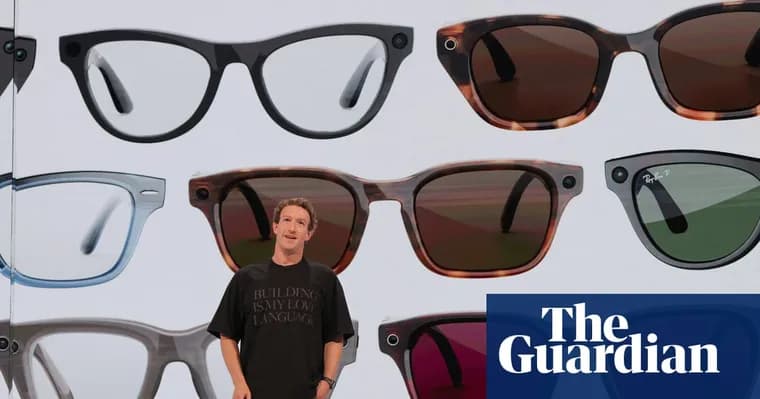
Norway is planning a temporary ban on smart glasses in some public places, the Guardian reports, amid rising global concern about AI-enabled recording devices. The government in Oslo is preparing a bill that would stop people using camera-enabled glasses in parks, beaches, museums, shopping centres, schools, daycare centres, healthcare facilities, gyms and public events. Private use would still be allowed.
Torgeir Micaelsen, Norway's minister of digital affairs, said he was "worried that new, powerful technology is being introduced where people risk being photographed, filmed or audio-recorded without knowing it". He added: "We do not want a society where people worry about being recorded without their knowledge, photographed or filmed in places and situations where they are accustomed to not being monitored."
The politics are not settled. Norway's Labour party heads a minority government and needs the support of other parties to pass the ban. It said it planned to submit a bill "as soon as possible", while tasking an expert group with drawing up permanent regulations on the issue.
The article places the move against a growing patchwork of restrictions. Smart glasses are already limited in UK and US courtrooms and in pubs, cinemas and restaurants whose owners have raised privacy fears. In the UK, restaurateurs such as Jeremy King, who created the Wolseley and Delaunay restaurants, and the pub chain Wetherspoons have said they do not want customers using the devices. Cinemas said in August that they had begun introducing policies to ban or restrict smart glasses, citing both privacy and film piracy. In California, governor Gavin Newsom last week vetoed legislation that would have penalised people for using smart glasses to record others without permission in changing rooms, doctors' offices and other spaces generally considered private. The state already has laws governing unlawful recording.
In France, the child welfare group E-enfance said it had received about 20 reports this year of women being filmed without their knowledge with camera-fitted glasses, most of them involving Meta smart glasses. It said the incidents often followed one pattern: a young girl or woman approached in a public place and filmed without her knowledge, with the clip then posted on social media as a prank or a street interview.
Meta sells "smart" versions of Ray-Ban and Oakley glasses that let users film, take photos, make phone calls, play music and run AI prompts. It has sold at least 9m pairs of the Ray-Ban versions since the start of 2023. Meta stresses that each pair has a tamper-proof LED light that blinks white when the user is recording or taking pictures, and it advises users: "Not everyone loves being photographed. Stop recording if anyone expresses that they would rather you not." A Meta spokesperson said the glasses remain popular for listening to music, making calls and getting live translations, and that the company is continuing to expand styles and features around the world. The spokesperson added that every camera pair has a bright front light that blinks when a photo or video is taken, that it cannot be turned off, and that the camera is disabled if someone covers or tampers with it, which smartphones and other cameras lack.
Key facts
- Norway's government is planning a bill for a temporary ban on camera-enabled smart glasses in parks, beaches, museums, shopping centres, schools, daycare centres, healthcare facilities, gyms and public events; private use would remain allowed.
- Labour heads a minority government and needs support from other parties; it plans to submit the bill "as soon as possible" and to task an expert group with drafting permanent regulations.
- Meta has sold at least 9m pairs of its Ray-Ban smart glasses since the start of 2023, and says each camera pair has a tamper-proof LED that blinks white when recording.
- French child welfare group E-enfance reports about 20 cases this year of women filmed without their knowledge with camera glasses, most involving Meta devices.
- Elsewhere the response is piecemeal: UK and US courtrooms, pubs, cinemas and restaurants restrict the glasses, while California's governor Gavin Newsom vetoed a bill penalising covert recording in private spaces.
Why it matters
A national government is moving to restrict a consumer gadget in a defined list of public places, rather than leaving it to individual venues. Until now the response described in the article has been a patchwork: courtrooms, pubs, cinemas and restaurants setting their own rules, and in California a veto of a bill that would have penalised covert recording in private spaces. Norway's plan, if it passes, would set a rule that applies across the listed public settings. The ministerial framing is about consent: people should not have to worry about being recorded in places where they are used to not being monitored.
Who it affects
People who wear camera-equipped smart glasses in Norway would face limits in the listed places, though private use would stay allowed. Operators of parks, beaches, museums, shopping centres, schools, daycare centres, healthcare facilities, gyms and public events fall within the proposal's scope. Meta is the maker named in the article, selling Ray-Ban and Oakley versions that can film, take photos, make calls, play music and run AI prompts. Women and girls are the group highlighted in the French reports, where E-enfance described them being approached in public and filmed for social media clips.
How to use it
This is a proposal, not a rule in force, so nothing changes for wearers yet. If the bill passes as described, the listed public places would be off limits for camera-enabled glasses, while private use would remain permitted. Meta's own advice to users is to stop recording if anyone says they would rather not be recorded. Venue owners elsewhere, including UK cinemas, pubs and restaurants, are setting their own house policies in the meantime.
How solid is it
The article reports a plan, not a law. The source gives no date for submitting the bill beyond "as soon as possible", no date for it to take effect, and no length for the "temporary" ban. The Labour party needs other parties' votes, and the source does not say whether they support it. The ministerial quotes and the list of covered places come from the Guardian's report of the government's plans. The figures on Meta sales (at least 9m Ray-Ban pairs since the start of 2023) and E-enfance reports (about 20 this year) are as stated in the article, and the sales figure covers Ray-Ban versions only.
Risks and caveats
The bill may not pass, since Labour leads a minority government. No penalties or enforcement mechanism for the Norwegian ban are described, so how it would work in practice is unclear. Meta argues its glasses already have safeguards: a tamper-proof front LED that blinks when recording, cannot be turned off, and disables the camera if covered or tampered with. The French reports describe women filmed without their knowledge, and the article does not say whether such cues are enough to prevent that. The California veto shows lawmakers do not all agree on how far new rules should go, and the state already has laws on unlawful recording. Meta's quoted statements are general; the article gives no Meta reaction to the Norwegian plan itself.
“We do not want a society where people worry about being recorded without their knowledge, photographed or filmed in places and situations where they are accustomed to not being monitored”
— Torgeir Micaelsen, Norway's minister of digital affairs