S&P weighs Nvidia credit downgrade over governance, key-man risk
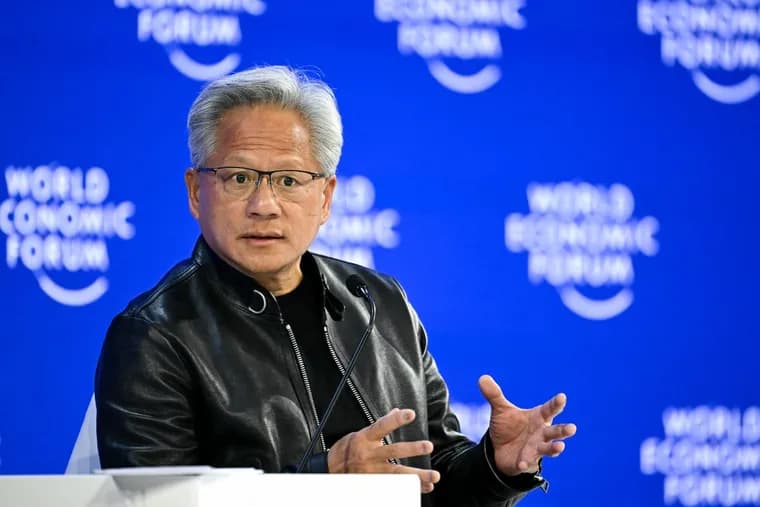
S&P Global Ratings, one of the three major credit rating agencies, is considering a downgrade of Nvidia, citing concerns about the company's management and governance practices. In a statement, S&P said that despite Nvidia's strong financial performance, the ouster and reinstatement of CEO Jensen Huang has raised concerns about "weak executive oversight and lack of succession planning" and "key man risk", meaning heavy reliance on Huang for the company's future success.
The agency expects to finish its review within 90 days. It could cut the rating from AA to AA-, which is the fourth-highest level on its scale. TechCrunch reports that Nvidia is certain to keep an investment-grade rating, but a downgrade could raise its borrowing costs.
The effects could reach beyond Nvidia. The company backstops neoclouds and other infrastructure companies that lack strong credit on their own, so a lower Nvidia rating could make their debt costlier or force them to post more collateral.
The review also touches a large financing plan. In August, Nvidia announced plans to arrange $500 billion in financing for AI infrastructure with six financial institutions, including Goldman Sachs, Apollo and Blackstone. Under the original terms, Nvidia would guarantee 25% of the loans. Bloomberg reported that lenders had been demanding a larger Nvidia guarantee even before Huang's ouster and return. According to TechCrunch, a downgrade would likely lead lenders to ask for larger guarantees still.
Key facts
- S&P Global Ratings is considering a downgrade of Nvidia over management and governance concerns, including reliance on CEO Jensen Huang.
- The possible cut is from AA to AA-, the fourth-highest level on S&P's scale, and the review is expected to finish within 90 days.
- Nvidia is certain to stay investment grade, TechCrunch reports, but its borrowing costs could rise.
- Neoclouds and other infrastructure companies that Nvidia backstops could face costlier debt or higher collateral demands.
- Nvidia's $500 billion AI infrastructure financing plan, announced in August, had it guaranteeing 25% of loans under the original terms; Bloomberg reported lenders already wanted more.
Why it matters
A rating agency is treating Nvidia's leadership setup as a credit question, even while acknowledging strong financial performance. The concerns S&P names are oversight, succession planning and dependence on one person. Because Nvidia lends its credit strength to other companies in AI infrastructure, a change in its rating could affect what that build-out costs to finance.
Who it affects
Nvidia comes first, through potentially higher borrowing costs. Next are the neoclouds and other infrastructure companies it backstops, which lack strong credit on their own and could face costlier debt or demands for more collateral. Lenders in the $500 billion financing plan are also involved, with Goldman Sachs, Apollo and Blackstone among the six institutions.
How to use it
Treat the 90-day review window as the thing to watch. If your debt, capacity contracts or investments depend on an Nvidia backstop, check how the terms respond to a change in its rating, including any collateral requirements. For the financing plan, follow whether the guarantee stays at the originally stated 25% or lenders obtain more.
How solid is it
The review and the governance concerns come from a statement by S&P Global Ratings, as reported by TechCrunch. No downgrade has happened: the agency is only considering one. The report that lenders had been seeking larger guarantees is attributed to Bloomberg. The expected effects on borrowing costs, collateral and lender demands are TechCrunch's assessment, and no figure is given for how much any of them would rise.
Risks and caveats
The outcome is open, and the cut under discussion would still leave Nvidia with an investment-grade rating. The 25% guarantee describes the original terms of a plan Nvidia announced it intended to arrange. Pressure from lenders for more predates Huang's ouster and return, according to Bloomberg, so it should not be attributed to the governance episode alone.
“weak executive oversight and lack of succession planning”
— S&P Global Ratings, in a statement