Shortical launches AI microdrama starring actor Aki Avni's licensed face
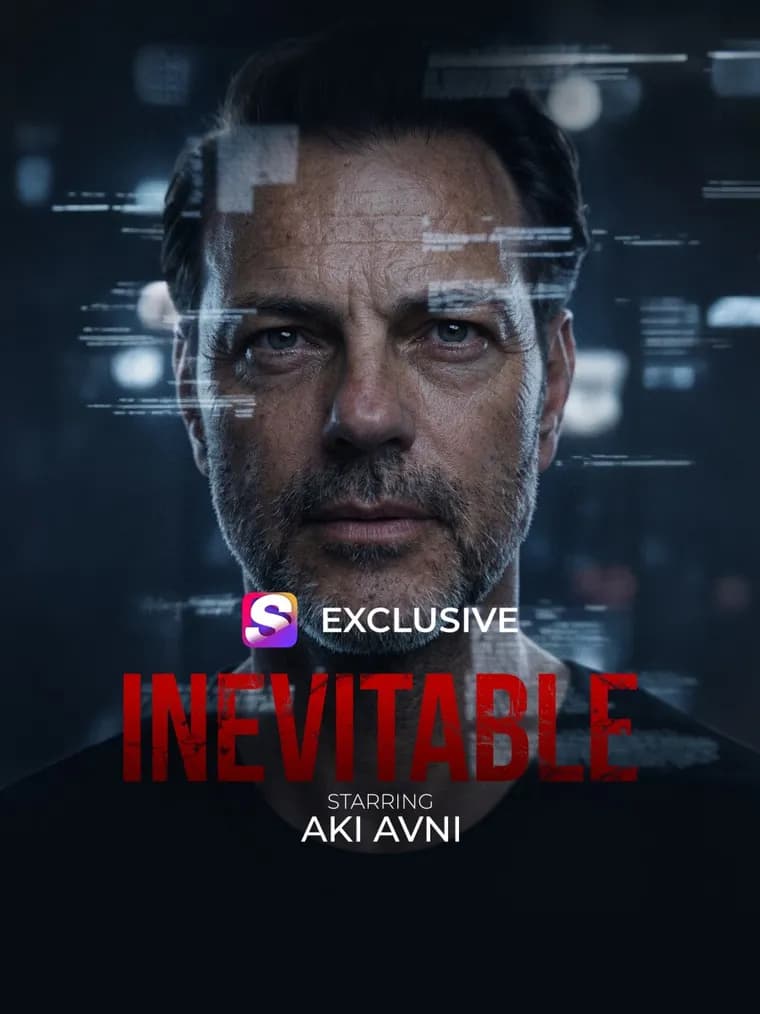
Shortical, a microdrama startup founded last January, has premiered a fully AI-generated series in Los Angeles. The series is called 'Inevitable'. It stars Aki Avni, an Israeli film and television star who has appeared in American TV for years, including a stint on Fox's thriller '24'. Avni licensed his face to Shortical, which used it to build a digital avatar of him. In the show he plays himself, in a very meta plot where the actor Aki Avni licenses his face to a film studio and thriller-style trouble follows.
Microdramas are soapy, often risqué romances told in two-minute episodes. Shortical makes money mainly through subscriptions: the first 7-10 episodes of a series are typically free, and after that viewers pay a small monthly fee that unlocks the whole catalogue. Over the past year the company produced live-action titles such as 'Crossing the Line with My Neighbor', 'Accidentally Married My Boss' and 'Spoiled by My Billionaire Sugar Daddy'. Lately its homepage is covered in AI-generated content. TechCrunch's explanation is that production overhead for AI content is substantially less than for live action, and the profit potential substantially higher if an audience can be drawn. Many of the AI programs on the site appear to have millions of views.
Avni told TechCrunch in a phone interview that the project was both nerve-racking and exciting: 'Look, it's a new era for artists. AI is a new kind of art. It's a new format. It's always great to be the pioneer in something.' Shortical CEO Guy Shimoni stressed creative reach: AI lets smaller teams make movie-scale productions, and where mobile-first live action was limited by budget, the company can now serve 'epic fantasies' with kingdoms, dragons, superheroes and werewolves. Shimoni says most of the platform's viewers are in the U.S., even though China has the biggest microdrama audience globally.
Shortical now wants more people like Avni. Its website advertises 'LICENSE YOUR FACE': interested people submit their social media handles, and the company decides whether to offer 'a contract setting out the terms' for using their persona in its AI content. A company representative said the offering is 'still in its early days and hasn't yet resulted in any signed contracts'. The Avni series is the first time Shortical has used a real person's likeness, and it was done through a direct agreement with him, not through the platform. The company hopes the series will draw attention to face licensing and plans to promote the offering more actively after this launch.
Money terms are murky. Shortical will not say what it pays for face licences. Asked whether creators would get royalty-style compensation like television residuals, Shimoni answered, 'It's a case by case [basis]'. For Avni's own contract the company declined to share a specific figure. The representative said he came on as a partner in the project and that his compensation was in line with industry standards for a comparable non-AI acting role. For context, the article cites a Rest of World report that in China, where microdrama and face licensing both started, microdrama firms were paying people between US$15 and US$700 to license their facial likenesses. TechCrunch notes that deals for other actors may be quite different from Avni's.
The article also gives the industry's worries. Microdramas once looked like a safe entry-level route into entertainment for young actors, but companies are now downsizing and making content that needs no real actors. Jennifer Cooper, a longtime fan of the industry and founder of the consultancy Vertical Drama Love, says there is a lot of distrust of AI among audiences and within the industry, and that many people have lost work to it. She argues the AI push is financially driven: 'For anyone to get investment at the moment in microdramas, they've got to mention the word AI.' She is skeptical about demand: 'Some of it does get views. A lot of it doesn't.' Questions of consent have also dogged the industry, with some creators claiming their likenesses were stolen, which TechCrunch says Shortical is plainly trying to address with face licensing. The article adds that such deals could also 'gig-ify' the industry: creators pay a distributor for a chance to platform their content or face, then get payouts based on audience engagement. Shortical recently partnered with Payouts.com, a self-described payout infrastructure platform, to build a system where creatives can interact with Shortical's platform and get paid.
Key facts
- Shortical's AI series 'Inevitable' premiered in Los Angeles last week, per the article; it is wholly AI and uses a digital avatar built from Israeli actor Aki Avni's licensed face.
- Shortical advertises 'LICENSE YOUR FACE' to the public, but a company rep says the offering hasn't yet resulted in any signed contracts; the Avni deal was a direct agreement, not made through the platform.
- Shortical will not disclose what it pays for face licences. Shimoni says royalties are 'case by case'; the rep says Avni's pay matched industry standards for a comparable non-AI role.
- A Rest of World report cited in the article found Chinese-market microdrama firms paying between US$15 and US$700 for facial likenesses.
- Consultant Jennifer Cooper says AI is being pushed on audiences more than demanded, and that investors want to hear the word AI.
Why it matters
It is a concrete, named example of a working actor selling the right to use his face for fully synthetic content. Shortical presents it as a first for the company, and the article frames the economics plainly: AI content costs far less to produce than live action and could earn far more if viewers show up. The story also shows how likeness licensing might become a standard business model in cheap, high-volume short video, where consent and pay are already contested.
Who it affects
Actors, especially young ones for whom microdramas were an entry-level way into the industry, and creators whose faces could be licensed or, as some claim, taken without consent. It also affects microdrama platforms and startups chasing investment, and viewers, most of whom on Shortical are in the U.S. according to its CEO.
How to use it
Shortical's website invites interested people to submit their social media handles; the company then decides whether to offer a contract setting out the terms for using their persona in its AI content. The company says it plans to promote the offering more actively. Viewers can watch the first 7-10 episodes of a series free, then pay a small monthly fee for the rest. Pay terms are not published, so anyone considering a deal would be negotiating without a public benchmark beyond the Rest of World range from China.
How solid is it
The piece is a TechCrunch feature built on a phone interview with Avni, comments from Shortical's CEO and a company representative, and an outside view from Jennifer Cooper. Key company claims, such as Avni's pay matching industry standards, come from a Shortical representative and are not independently checked. The view counts are hedged: many AI programs 'appear to have' millions of views.
Risks and caveats
No fee figure, royalty scheme or contract terms are disclosed, and no contracts have been signed through the platform. The Rest of World range of US$15 to US$700 describes microdrama firms in China, not Shortical. Consent disputes over stolen likenesses and job losses are live concerns. The article also suggests licensing could push creators toward a gig-style model in which they pay for distribution and are paid by engagement. Cooper doubts there is real audience demand for AI microdramas.
“I think it’s being pushed on an audience more than there is an audience demand or wish for it.”
— Jennifer Cooper, founder of the consultancy Vertical Drama Love, on AI-generated microdramas