Tesla's Optimus robot push hits worker pushback and hand-assembly snags
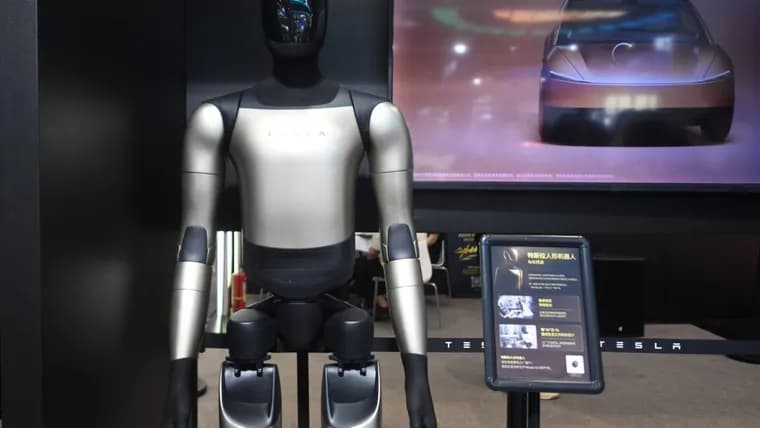
Tesla's shift from building electric cars to building humanoid robots is running into trouble, according to extensive reporting by The Information. The company's Fremont, California factory stopped making the Model S sedan and Model X SUV as of May 2026, moving both line workers and engineers onto the Optimus robot program. But the newest version, Optimus V3, has proven difficult to develop and manufacture: production line equipment struggles to precisely align components, and the line cannot yet be run at full speed. Tesla has reportedly scaled up to producing hundreds of Optimus robots per week, while the company is targeting more than 1,000 robots per week by the end of 2026. A specific hardware bottleneck is the robot's hands: because delicate manipulation on the level of a human hand is a hard engineering problem, human workers must manually assemble Optimus hands and forearms that together contain more than 100 small components such as screws. Beyond the hardware, the reporting also describes disgruntled employees pushing back against training the very robots meant to replace them, though no specifics on numbers or the training process itself are given. Tesla CEO Elon Musk has called Optimus potentially "the biggest product ever," made during Tesla's second-quarter 2026 earnings call, while also acknowledging that building an autonomous humanoid robot able to handle many different tasks is "one of the hardest things to solve."
Key facts
- Tesla's Fremont factory stopped making the Model S and Model X as of May 2026, shifting workers to Optimus production.
- Optimus V3 assembly is slowed by production line equipment that struggles to align components precisely, plus limits on line speed.
- Tesla has reportedly reached production of hundreds of Optimus robots per week and is targeting more than 1,000 per week by the end of 2026.
- Optimus hands and forearms combined have more than 100 small components, such as screws, that must be assembled by hand.
- The Information's reporting describes employees pushing back against training the robots intended to replace them, without further detail on scale or process.
Why it matters
Optimus is central to Elon Musk's bet on Tesla's future in AI and robotics, and Musk has called it potentially "the biggest product ever." The reported difficulties in hitting a 1,000-robot-per-week target show how far mass production of general-purpose humanoid robots still is from the scale automakers achieve with cars, even at a company with deep manufacturing experience.
Who it affects
Tesla line workers and engineers at the Fremont factory, who have been moved off Model S and Model X production onto Optimus; and, per the reporting, employees who are reportedly reluctant to train the robots that may replace their own jobs.
How to use it
Not applicable: this is a manufacturing and workforce story about an internal production ramp, not a product or service available to buy or deploy.
How solid is it
The account rests on extensive reporting by The Information, which this article draws on rather than original investigation; the specific figures on production rates and component counts come from that reporting.
Risks and caveats
Musk has a track record of announcing ambitious targets that do not materialize, as the article itself notes. The piece does not detail how many workers are involved in the pushback against training robots, nor the exact process by which that training happens, and it does not specify Optimus V3's release date beyond the production and line-speed issues described.
“the biggest product ever”
— Elon Musk, Tesla CEO