Twitch adds an opt-out for training Amazon's AI models
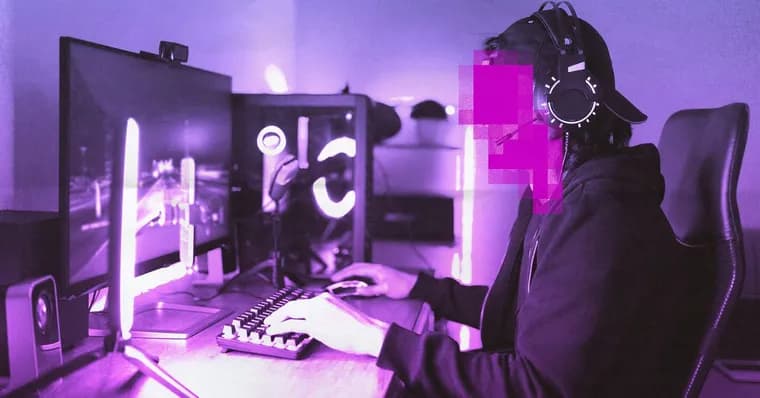
Twitch updated its account settings to add a way for streamers to opt out of having their content used to train the AI models of its parent company, Amazon. The new control sits under the account avatar, then Settings, then the Security and Privacy section, in an option labeled Generative AI Training. Turning it off is narrower than it sounds: the text next to the toggle states that disabling it 'does not prevent Twitch and Amazon from using your channel's content for other purposes described in Twitch's Privacy Notice,' which include AI-powered platform features meant to help streamers grow and monetize, such as real-time assistance for sponsorship campaigns, viewer discovery through recommendations, and community-safety tools like AutoMod.
The setting's launch made public something Twitch had not previously stated outright: that it had already been feeding creators' posts, streams and videos into AI training, though it remains unclear exactly when that began. The combination of a default-on setting and an unclear timeline drew a sharp reaction. In a forum dedicated to the topic, more than 16,000 creators publicly opposed having their content used by default to train Amazon's AI systems.
Twitch executives addressed the backlash in a livestream. Mary Kish, Twitch's head of community, acknowledged that the change would provoke a negative reaction. Mike Minton, Twitch's head of product, offered what he called 'a candid response': keeping the option enabled by default was necessary because otherwise 'no one would participate' in the process. Minton also said the mechanism is not unique to Twitch and that he considers it likely other companies building AI systems are pulling content from Twitch and similar services too. 'I don't know for sure,' he said, 'but I think it's quite reasonable to assume that almost any publicly available content is used to train models in one way or another, with or without permission. So I think we also need to acknowledge that there's a lot here that's beyond even our direct control.' The executives' statements themselves raised further questions the article poses but does not answer: since when has Twitch content been used this way, is Amazon the only company drawing on it or are its business partners involved too, and how far is creators' authorship of their own content being respected.
The change also sits against Twitch's Terms of Service, in effect since March 2024, which already grant Twitch and its sublicensees the right to use, reproduce, modify, adapt, distribute and create derivative works from members' content. Until this update, those terms had not explicitly stated that the material could be used to train generative AI models.
The piece frames the episode as one example of a broader shortage: high-quality training data is running short across the AI industry even as demand for it grows. It notes that OpenAI has struck licensing deals with publishers, including Wired's own corporate parent, Condé Nast, to use some of their content, while other companies have turned to their users' material instead. Meta has been training its AI models on posts and images that people share on Facebook and Instagram, and has also been reported to draw on its own employees' activity and on screenshots captured by users of its smart glasses for the same purpose. Similar practices have been documented at Google and YouTube. The article's framing is that high-quality data has become a strategic resource on par with chips, memory and electricity, with a share of it coming from users themselves in exchange for free access to everyday digital services.
Key facts
- Twitch added a new account setting, under Settings > Security and Privacy > Generative AI Training, that lets streamers opt out of having their content used to train Amazon's AI models.
- The rollout revealed that Twitch had already been using creators' posts, streams and videos for that purpose, with no clear start date given.
- In a forum dedicated to the topic, more than 16,000 creators publicly opposed the default-on use of their content.
- Twitch's head of product, Mike Minton, said the option was on by default because otherwise 'no one would participate,' and that he thinks almost any publicly available content is likely already used to train AI models 'with or without permission.'
- Twitch's Terms of Service, in effect since March 2024, already granted Twitch and its sublicensees broad rights to use members' content but had not explicitly named generative AI training as a use until this update.
Why it matters
The launch does two things at once: it gives creators a way to stop future use of their content for AI training, and its very existence confirms that such use has already been happening, with no clear start date supplied. The default is opt-out rather than opt-in, and Twitch's own head of product said on a livestream, in his words 'a candid response,' that an opt-in design would have meant 'no one would participate.' That is a rare on-the-record admission of why a platform picks a default that favors data collection over active consent. The article also places the episode inside a wider pattern it lays out directly: OpenAI's licensing deals with publishers, Meta's use of Facebook and Instagram posts plus reported use of employee activity and smart-glasses screenshots, and similar practices documented at Google and YouTube, all pointing to high-quality training data becoming as contested a resource as chips or electricity for AI developers.
Who it affects
Every Twitch streamer whose posts, streams and videos are eligible to be used for Amazon's AI training unless they actively find and disable the new setting. More than 16,000 creators had already voiced opposition in a dedicated forum by the time of the report, though the source gives no total creator count to measure that figure against. The article, following the executives' own remarks, also raises without answering whether Amazon's business partners beyond Amazon itself are involved in using this content.
How to use it
To opt out, open Twitch on the website or the mobile app, click the account avatar, go to Settings, then to the Security and Privacy section, and switch off the Generative AI Training option. Twitch is explicit that the toggle is narrow: disabling it stops that one use of the account's content but, per the text next to it, does not stop Twitch and Amazon from using the same content for other purposes under Twitch's Privacy Notice, including AI-powered features such as real-time sponsorship-campaign assistance, recommendation-based viewer discovery, and community-safety tools like AutoMod.
How solid is it
The account rests on Twitch's own product wording, the settings path and the text next to the toggle, and on named executives speaking on the record: Mary Kish, Twitch's head of community, and Mike Minton, Twitch's head of product, both quoted directly, including Minton's own description of his remarks as 'a candid response.' The scale of the backlash, more than 16,000 creators objecting in a dedicated forum, is stated as a specific figure rather than a vague characterization. What the source does not supply: the exact date Twitch began using creators' content for AI training, the name of the forum where the objections were raised, a total creator count to weigh the 16,000 figure against, and any confirmation of whether opting out affects content already used, as opposed to only future use.
Risks and caveats
Because the setting is opt-out, creators who never find it, or never learn it exists, keep contributing content to AI training without having made an active choice. The source does not say whether toggling the setting off removes or otherwise affects content already fed into training, only that it stops future use, so material collected before a creator opts out may remain in use regardless. Minton's own framing adds a further caveat for anyone counting on the toggle alone: he said he thinks almost any publicly available content is already used to train models 'in one way or another, with or without permission,' which describes this control as a limited, Twitch-specific setting rather than protection from AI training in general.
“I don't know for sure, but I think it's quite reasonable to assume that almost any publicly available content is used to train models in one way or another, with or without permission.”
— Mike Minton, Twitch's head of product