EFF says always-on wearables push privacy costs onto bystanders
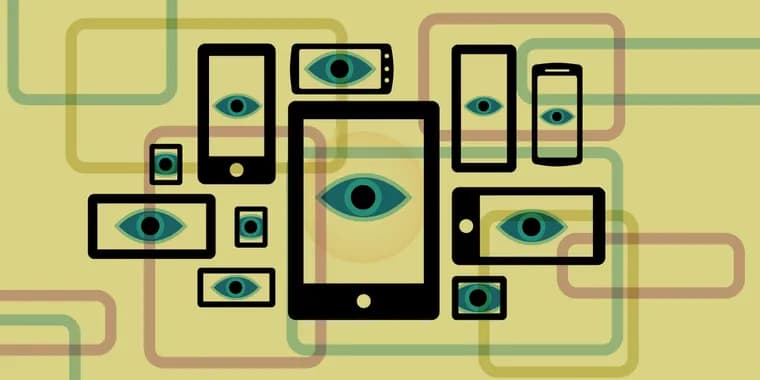
The Electronic Frontier Foundation has published an opinion piece arguing that a new wave of ambient recording devices changes what privacy means. Its opening point: companies once framed privacy as personal choice, but these products make one person's choices land on everyone nearby.
The EFF lists the products it has in mind. Meta and Google's smart glasses can record anything the owner is looking at or use AI to describe it. Apple's Audio Intelligence feature turns every Apple Watch into a transcription machine that records or summarizes the wearer's day. Amazon's Bee devices go a step further and can record and transcribe everything. Dozens of other companies are introducing pendants, rings and other products meant to record, transcribe or summarize what people say and do all day.
The EFF says privacy has always been a team sport, since choices about communication apps or cloud backups already affected the people you deal with. Moving those choices into the physical world, where strangers, colleagues, family and friends are all swept in, is a bigger change. In its telling, tech companies want people to become consumer-tech experts who know what each device can do, how and whether it signals that it is recording, and which platforms it connects to. The companies also expect owners to use the devices responsibly and to tell those around them what the devices can do, within whatever laws their states may have. The EFF calls this unreasonable and says it is not how consent works in any practical sense.
On technical promises, the EFF describes a pattern. Ask Apple about privacy and it points to a white paper on the technical barriers between the company and the watch data. Meta talks about customizable privacy controls and says faces may be blurred when you interact with Meta AI through the glasses, but not during standard recording. Google does something similar. Amazon says users are always in control and no audio is stored, though it also lets users enable Amazon store integration so conversations can lead directly to ads for products. The EFF says some of these designs do better than others at keeping law enforcement and the company away from the data, but all of the promises cover only the consumer who uses the device. Bystanders cannot opt out, and a non-user who gets captured has no technical protection.
On the law, the EFF suggests treating products such as Apple's Audio Intelligence and Amazon's Bee devices like an always-recording microphone, even if companies say there is "technically" no audio recording. They often use a microphone to capture raw audio and turn it into summaries or transcripts before discarding the audio. It notes that Google's blog post points to a responsible use section in its Terms of Service, under which users agree not to record others without permission or in sensitive places. The EFF adds that law enforcement will eventually try to compel access to the data, either real-time audio or the summaries and transcripts. Some products, such as Apple's Audio Intelligence, are engineered to make that difficult, but not every product will be. It adds that governments will do everything they can to reach data that exists.
The third argument is social, and the EFF says no technical or legal fix can solve it. If secretly documenting conversations becomes the norm, every private conversation becomes less spontaneous and open, and a longstanding norm against recording every talk with friends, family, colleagues or strangers breaks. Companies reply that these products are no different from phones, cameras, camcorders, cassette recorders or pen and paper. The EFF answers that those tools take deliberate effort and are visible to others, while the new devices are designed to encourage continuous monitoring and hide their use. It also says the products cannot grasp social context: the rules differ on a street corner, at a protest, in a bathroom, at a doctor's office, at the gym or in a restaurant. Taking meeting notes is normal; getting a summary of a friend's conversation about their divorce is not.
The EFF says Google as good as admits the problem. In a conversation with CNN, Juston Payne, senior director of product management at Google, described the company's experiments with a notification that would alert people's phones when someone nearby was recording. He said alerting bystanders does not do much to help and can be "weirdly disempowering", because people ask what they are meant to do next.
For action, the EFF says the claim that these products are inevitable deserves a grain of salt, since it has seen many vaporware products and whole categories come and go within a few years. If the public does not want them, the companies will have to give up. It suggests filling out Apple's feedback forms, since Apple launched Audio Intelligence in beta to collect feedback, using the Feedback Assistant app if you are in the beta. Pushing back on Meta, Google, Amazon and others may be harder, so it recommends politely and clearly talking to people who use the devices in ways that make you uncomfortable, and reporting abusive videos made with such products on social networks. Users who find the devices useful should make clear when they are using them and do so only with consent and where it fits the social moment. The piece ends with a disclosure: Apple is an EFF donor, and donors do not influence the EFF's agenda or positions.
Key facts
- The EFF names Meta and Google smart glasses, Apple's Audio Intelligence on Apple Watch and Amazon's Bee devices as products that record, transcribe or summarize what the wearer sees and hears, with dozens of other companies adding pendants, rings and similar gadgets.
- Its central claim is that the technical privacy promises these companies stress cover only the user of the device, while bystanders cannot opt out and have no technical protection.
- The EFF says expecting owners to use such devices responsibly and tell everyone nearby is not how consent works in any practical sense, and it suggests treating some of them like an always-recording microphone.
- It cites Google's Juston Payne telling CNN that alerting bystanders does not do much to help and can be 'weirdly disempowering'.
- Suggested responses: give feedback on Apple's beta, talk politely with people who use the devices around you, report abusive videos, and record others only with consent. The piece discloses that Apple is an EFF donor.
Why it matters
The piece frames a shift in who bears the cost of privacy. When a device owner turns on recording or transcription, the people around them are captured too, without any choice. The EFF argues that technical safeguards such as on-device processing, customizable controls or discarding audio after transcription address the owner's data, not the bystander's. It also says the harm is social: if secret documentation becomes normal, private conversation becomes less spontaneous and open.
Who it affects
Everyone near a wearer, whether stranger, colleague, family member or friend, and especially people in sensitive settings the EFF lists: a protest, a bathroom, a doctor's office, a gym, a restaurant. It also affects owners of these devices, who the EFF says are expected to understand the devices' capabilities and notify others. The products named come from Apple, Amazon, Meta and Google, with dozens of other companies making pendants, rings and similar products.
How to use it
The EFF's advice is practical. If you are in Apple's Audio Intelligence beta, fill out Apple's feedback forms or use the Feedback Assistant app. If someone uses a Meta, Google, Amazon or similar device in a way that makes you uncomfortable, engage with them politely and clearly. Report abusive videos made with these products on social networks. If you use such a device yourself, make clear to people around you when you are using it, and do so only with consent and in social moments where it makes sense.
How solid is it
This is an advocacy opinion piece, not an investigation or a test of the devices. Its descriptions of product capabilities and company responses are the EFF's own summaries, and the one outside quote comes through a CNN conversation with a Google executive. The EFF says it hopes to look deeper into the technical differences between these devices soon, with no timescale given. It discloses that Apple is an EFF donor and says donors do not influence its agenda or positions.
Risks and caveats
The EFF names no specific law, court case or jurisdiction; it says only that owners should act within whatever laws their states may have. It gives no sales, user or adoption figures for the devices. Its prediction that law enforcement will eventually try to compel access to the data is a forecast backed by the claim that governments reach data that exists, not by a cited case. The EFF also says some designs, such as Apple's Audio Intelligence, make such access harder, so the risk differs by product. Its view that the products are not inevitable is likewise a judgement, not a measured outcome.
“It can actually be weirdly disempowering to you in that you’re like, ‘What am I meant to do now?’”
— Juston Payne, senior director of product management at Google, in a conversation with CNN, as quoted by the EFF