Waymo heads to Toronto, aiming for first riders in 2028
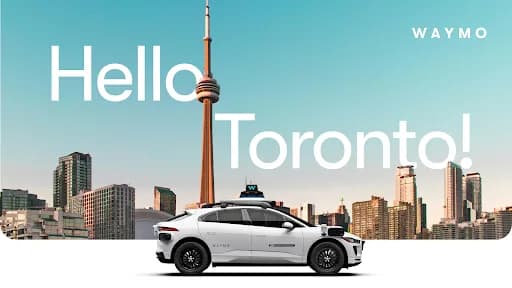
Waymo has announced on its blog that it is heading to Canada, with Toronto as its first city there. The company says it is laying the groundwork for a fully autonomous ride-hailing service, investing in local facilities and jobs, with the goal of welcoming its first riders in 2028. That year is a goal, not a firm commitment.
In the coming days, Waymo vehicles will begin appearing on Toronto streets, driven manually. Waymo describes the approach as rigorous, phased and safety-first. It starts with high-definition mapping of the local street network and testing with trained autonomous specialists behind the wheel. The company says this validation period is meant to make sure the Waymo Driver adapts to Toronto's distinct driving conditions.
To run the service, Waymo is partnering with Element Fleet Management, a Toronto-headquartered fleet and mobility company that will provide end-to-end fleet management services. Together with Element and other partners, Waymo says it will invest in hundreds of roles over time, covering fleet maintenance, validation driving, customer service and other operations functions. The post notes Waymo's existing Canadian ties: the Canada Pension Plan Investment Board is a long-term investor, and Magna International is its manufacturing partner.
Waymo co-CEO Tekedra Mawakana said expanding into Canada marks an important milestone in Waymo's global journey, and called Toronto the country's largest city. Laura Dottori-Attanasio, Chief Executive Officer of Element Fleet Management, said Element is proud to be expanding its partnership with Waymo as a Canadian company, and that the two will help create employment opportunities.
On the case for the city, Waymo points to Toronto as one of North America's fastest-growing metropolitan regions with evolving mobility demands. It says its all-weather Driver can provide an additional option that complements the existing transportation ecosystem, from bike lanes to public transit. For safety, it cites data from over 400 million fully autonomous kilometres, which it says shows the Waymo Driver was involved in 95% fewer (20x fewer) crashes involving serious injury or worse than human drivers in the cities where it operates. That figure is Waymo's own, from cities where it already runs, not from Toronto.
Waymo also says it is working with accessibility and mobility advocacy organizations, including BALANCE for Blind Adults, CNIB, Community Living Toronto, Connected Canadians and Epilepsy Ontario, among others. Michelle McQuigge, CEO of BALANCE for Blind Adults, called Waymo's history of partnering with the sight loss community to build accessible solutions encouraging, and said its decision to engage early reflects the kind of approach that leads to real results. Residents can sign up for updates at waymo.com/waymo-in-canada to be among the first to ride when the service is ready.
Key facts
- Toronto is Waymo's first Canadian city; the stated goal is to welcome the first riders in 2028.
- Vehicles start driving manually on Toronto streets in the coming days, for high-definition mapping and testing with trained autonomous specialists behind the wheel.
- Element Fleet Management, headquartered in Toronto, will provide end-to-end fleet management; Waymo, Element and partners plan to invest in hundreds of roles over time.
- Waymo cites over 400 million fully autonomous kilometres as the basis for its claim of 95% fewer (20x fewer) serious-injury-or-worse crashes than humans in cities where it operates.
- Waymo says it is working with groups including BALANCE for Blind Adults, CNIB, Community Living Toronto, Connected Canadians and Epilepsy Ontario.
Why it matters
This is Waymo's first move into Canada, and the announcement comes with a named local fleet partner and a target year, 2028. Waymo frames the plan as phased: manual driving and mapping first, with autonomous testing behind that. It also ties the move to existing Canadian relationships, namely the Canada Pension Plan Investment Board as a long-term investor and Magna International as its manufacturing partner.
Who it affects
Toronto residents and visitors are the intended riders, and Waymo invites them to sign up for updates. Local workers are affected too: Waymo says that with Element and partners it will invest in hundreds of roles over time in fleet maintenance, validation driving, customer service and other operations. Element Fleet Management, a Toronto-headquartered company, takes on the fleet management role. Accessibility groups such as BALANCE for Blind Adults, CNIB, Community Living Toronto, Connected Canadians and Epilepsy Ontario are named as collaborators.
How to use it
There is no service to use yet. The only action offered is to sign up for updates at waymo.com/waymo-in-canada to be among the first to ride when Waymo is ready. Waymo says that in the coming days its vehicles will be visible on Toronto streets, driven manually by trained specialists as part of mapping and validation.
How solid is it
This is Waymo's own announcement, with supporting quotes from Waymo's co-CEO, Element's CEO and the CEO of BALANCE for Blind Adults. The 2028 date is stated as a goal. The 95% / 20x safety figure is Waymo's own data from cities where it already operates, not from Toronto, and no independent verification or comparison method is described in the source. No regulatory approvals, permits or city or provincial government statements are mentioned.
Risks and caveats
No service area, pricing or launch date within 2028 is given, and no timeline is given for when manual driving will switch to autonomous testing or driverless operation. The source does not say how many vehicles will start driving in Toronto or which vehicle model will be used. No dollar investment amount or exact job count is given, only hundreds of roles over time, and no financial terms of the Element partnership are given. Winter, snow or cold-weather performance is not specifically addressed; the post says only that Waymo has an all-weather Driver.
“Expanding into Canada marks an important milestone in Waymo’s global journey”
— Tekedra Mawakana, Waymo co-CEO