Amazon introduces Bee AI wearables as Panos Panay says apps will matter less
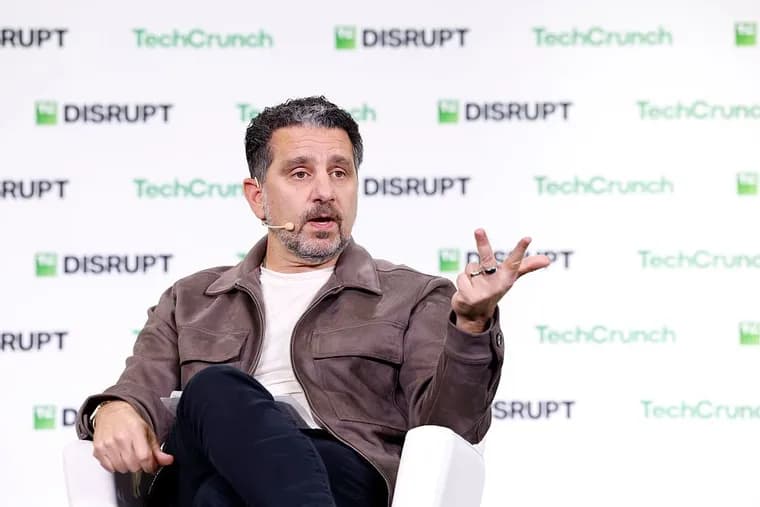
Amazon is betting on ambient computing rather than apps as the future of personal AI. On Thursday, alongside the introduction of the company's new AI wearables from Bee, Panos Panay, Amazon's SVP of Devices, Alexa & Leo, spoke at TechCrunch Disrupt about where he thinks personal computing is headed.
Panay began with a critique of how people use smartphones today. We have to remember what we are asking our tool to do for us, he said: "It's like point, shoot, return." He argued that the future "starts with ambient devices." TechCrunch explains that by this he means devices that work quietly in the background, using sensors and AI to help figure out what needs to be done, instead of the user telling the device what to do. In his words, working in the background lets people stay more present, get more done and spend more time with others, without fear of missing something.
Amazon's biggest entry in this space is the set of new Bee devices introduced on Thursday. They include a band that can be worn on the wrist or detached and worn as a pendant, and a new credit-card-sized device that attaches magnetically to the back of a smartphone. The gadgets passively record audio and take notes about the user's day, picking out to-dos, reminders and insights the user may need later.
On privacy, TechCrunch reports that Bee's devices do not store the raw audio from conversations. They process it in real time and delete it when done. Transcripts are encrypted with keys that the user's device creates and controls, so nobody else, Amazon employees included, can access them unless the user intentionally shares them. Panay said privacy was a key consideration for how these devices should work: "You have to give customers that control." For Bee specifically, he said, you have to design with privacy in mind.
Panay came to Amazon after 19 years at Microsoft, where he oversaw the development of Surface devices. He also envisioned a future where interacting with apps becomes less important as AI handles more tasks. Asked about it, he said he sees a "bit of a balance": a whole generation that does not say "give me the app" but expects the device to understand what it needs. "I think that transformation is coming. I think that is the next generation," he said.
That does not mean the smartphone goes away, TechCrunch notes. Panay said he is not a proponent of one form factor replacing another. He believes a new crop of devices will emerge that use sensors to understand users better and bring intelligence to the world around them, and that "there's an intelligence layer that connects it all" and "it has to be useful."
Key facts
- Panos Panay, Amazon's SVP of Devices, Alexa & Leo, said at TechCrunch Disrupt that the next generation of computing "starts with ambient devices" that work in the background using sensors and AI.
- Amazon introduced new Bee devices on Thursday: a band worn on the wrist or as a pendant, and a credit-card-sized device that attaches magnetically to the back of a smartphone.
- The Bee gadgets passively record audio and take notes; per TechCrunch they process audio in real time, delete it afterwards, and encrypt transcripts with keys the user's device controls.
- Panay expects a generation that stops asking for "the app" and wants the device to understand what it needs, but says one form factor will not replace another.
- Panay joined Amazon after 19 years at Microsoft, where he oversaw the development of Surface devices.
Why it matters
Amazon's head of devices is putting a public strategy behind a product launch: personal AI that works passively in the background instead of waiting for the user to open an app and give commands. Panay frames today's smartphone use as "point, shoot, return" and says the next generation will begin with ambient devices. The Bee wearables are what TechCrunch calls Amazon's biggest entry in this space so far. The significance lies in the direction of travel, with Panay predicting that a generation will stop saying "give me the app" and expect the device to understand what it needs.
Who it affects
Buyers of personal AI gadgets are the immediate audience, since the Bee devices are worn on the body or stuck to a phone and record the user's day. Anyone around a wearer is also touched, because the devices passively record audio during conversations. The talk is also relevant to people who build or rely on app-based products, since Panay says interacting with apps will become less important as AI handles more tasks. He is careful to add that this means a balance, not the end of phones.
How to use it
The source describes the Bee devices as passive: they record audio and take notes about the day, surfacing to-dos, reminders and insights to refer back to later. Form factors are a wrist band that can be detached and worn as a pendant, and a credit-card-sized device that attaches magnetically to the back of a smartphone. The user decides whether to share transcripts, which are otherwise inaccessible to others. No prices, availability dates or release timing for the new Bee devices are given.
How solid is it
The account is a news report of a conference talk, with direct quotes from Panay and TechCrunch's own explanations. The privacy details (raw audio not stored, real-time processing then deletion, transcripts encrypted with keys the user's device creates and controls) are stated by TechCrunch as facts about Bee's devices, not as quotes from Panay. Panay's own statements on privacy are that it was a key consideration and that you have to design with privacy in mind. His view of the future is a prediction and a stated belief, not a measured result.
Risks and caveats
This is a vision statement from an executive launching the products it favours, and no timescale is given for when apps might become less important. No prices or availability are given, and the devices' model names are not given. Panay himself softens the headline idea: he speaks of "a bit of a balance," and says he does not think one form factor will replace another. Always-on audio capture is the obvious sensitivity here, and the privacy protections described come from the article's account of how the devices work.
“I think that transformation is coming. I think that is the next generation”
— Panos Panay, Amazon SVP of Devices, Alexa & Leo, at TechCrunch Disrupt