Nvidia CEO Jensen Huang scandal bolsters push for tighter China chip curbs
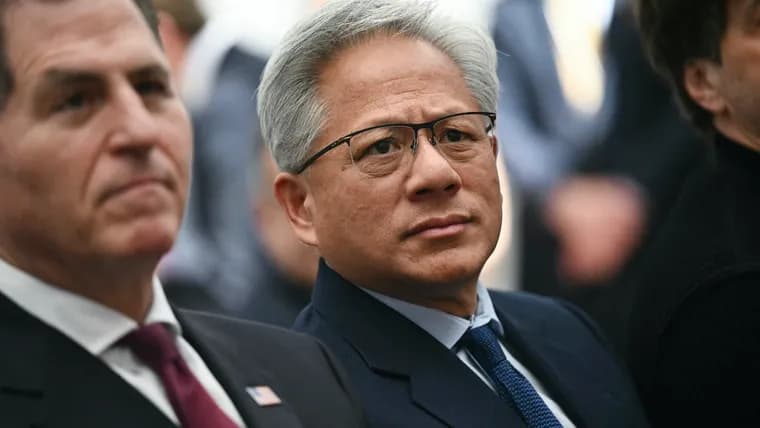
CNBC reports that the scandal around Nvidia CEO Jensen Huang is strengthening the case of US lawmakers who want tighter limits on China's access to advanced AI chips. The timing matters: President Donald Trump is expected to meet Chinese President Xi Jinping on the sidelines of the APEC leaders' summit in Shenzhen on Nov 18-19.
At the centre is Huang's alleged affair with Alice Huang, a Chinese citizen who is not related to him and was reportedly recruited by Chinese intelligence to gather information. According to The Information, she helped facilitate at least $7.5 billion in Nvidia chip shipments to China. The affair and the recruitment are described as alleged and reported, not established. Huang had been among the loudest voices against strict US export controls on advanced chips to China, which had irked some China hawks. Lawmakers now have what CNBC calls fresh ammunition to push for chip-control measures in this year's National Defense Authorization Act (NDAA). The bills named are the AI Overwatch Act, the Chip Security Act and the MATCH Act, all aimed at limiting the flow of advanced chips to US adversaries, particularly China.
David Meale, head of Eurasia Group's China practice and a former deputy chief of mission at the US embassy in Beijing, called Huang "the industry's most effective lobbyist against tighter rules." The scandal, he said, has weakened Nvidia's "singular ability to slow the progress of those bills," which had been stalled by pushback from corporates and the White House. It has also made it "politically harder for negotiators to strip chip provisions out of this year's NDAA." Senate Democratic leader Chuck Schumer called on Congress on Tuesday to pass the bills and urged a full accounting of Trump's defense of Huang. House Select Committee on China Chairman John Moolenaar, a Michigan Republican, also called for chip export controls in the annual defense policy bill. Kyle Chan, a China fellow at the Brookings Institution, said Trump's weakened grip over congressional Republicans after the midterm defeat has made it harder for the administration to hold such measures back.
The fallout also puts fresh scrutiny on offshore data-center hubs that give Chinese customers access to Nvidia chips restricted for direct export to China. Short seller Culper Research estimated in May that more than 20% of Nvidia's revenue for the year ended July 2025, about $43.2 billion, came from China through illegal GPU diversion and Southeast Asian intermediaries. Per The Information, the Commerce Department is finalizing a rule to stop Chinese AI firms from remotely accessing advanced chips through data centers in other countries. Tech firms including Nvidia have long opposed that effort, and it has gained renewed momentum after the Nvidia revelations. Gabriel Wildau, managing director at political risk consultancy Teneo, said action on remote access "now appears likely" and could include blacklisting Megaspeed and other entities, or rules that close the loophole entirely. More Chinese AI companies have reportedly started looking for Nvidia-powered computing capacity at data centers outside China, while traders and intermediaries are stockpiling these processors in anticipation of tougher enforcement. Meale added that if legislation like the Remote Access Security Act, which the House passed in January, goes through next year, it would raise compliance exposure for non-China-based cloud and data-center operators, including those in Southeast Asia, that serve Chinese customers.
On the diplomatic side, Wildau said Trump appears "unconcerned," at least for now, and that Trump and Xi are expected to keep steering ties toward extending the truce beyond January. Treasury Secretary Scott Bessent, who travels to China for the summit next week, said Tuesday he wants to "build a constructive relationship on the basis of balance and reciprocity." Paul Triolo of DGA-Albright Stonebridge Group called the MATCH Act, which would pressure Japan and the Netherlands to tighten curbs on chipmaking tools already in China, a threat to the Busan truce. He warned that Chinese officials have said they will respond to the legislation's passage and could ratchet up controls on rare earths and magnets. It is unclear whether Huang, who had a prominent role during Trump's visit to Beijing in May and Xi's Washington trip in September, will join next week's delegation. Asked on Sunday whether he would take Huang, Trump said, "I don't know, but I'd certainly take him."
Key facts
- The alleged affair between Nvidia CEO Jensen Huang and Alice Huang, a Chinese citizen reportedly recruited by Chinese intelligence, is giving lawmakers ammunition to add the AI Overwatch Act, Chip Security Act and MATCH Act to this year's NDAA.
- The Information reports Alice Huang helped facilitate at least $7.5 billion in Nvidia chip shipments to China; Culper Research estimated in May that more than 20% of Nvidia's revenue for the year ended July 2025, about $43.2 billion, came from China via diversion and Southeast Asian intermediaries.
- The Commerce Department is reportedly finalizing a rule against remote access by Chinese AI firms to advanced chips through data centers abroad.
- Trump and Xi are expected to meet at the APEC summit in Shenzhen on Nov 18-19; Teneo's Gabriel Wildau says Trump appears unconcerned for now.
- Paul Triolo warns the MATCH Act threatens the Busan truce and that China could respond with tighter controls on rare earths and magnets.
Why it matters
Export controls on advanced AI chips have been a central lever in the US-China race for AI supremacy, and Nvidia's CEO had been one of the strongest opponents of strict rules. According to Meale, the scandal weakens Nvidia's ability to slow the AI Overwatch Act, the Chip Security Act and the MATCH Act, and makes it politically harder to strip chip provisions from this year's NDAA. It also revives pressure on the remote-access loophole, where Chinese firms reach restricted chips through data centers abroad.
Who it affects
Nvidia, whose lobbying clout and China-linked revenue are both in the spotlight. Chinese AI companies, which are reportedly already hunting for Nvidia-powered capacity outside China. Non-China-based cloud and data-center operators, including those in Southeast Asia, which would face more compliance exposure if remote-access legislation passes. Japan and the Netherlands, which the MATCH Act would pressure to tighten curbs on chipmaking tools already in China. US industry more broadly, if China answers with controls on rare earths and magnets.
How to use it
This is a story to watch rather than a tool to apply. The markers named in the report: whether the chip bills are carried into the final NDAA text, whether the Commerce Department rule on remote access is published, whether Megaspeed and other entities are blacklisted, and what comes out of the Trump-Xi meeting in Shenzhen on Nov 18-19. Operators serving Chinese customers from outside China are the ones Meale says would face higher compliance exposure if the Remote Access Security Act goes through next year.
How solid is it
The report is from CNBC and leans on named analysts: Meale of Eurasia Group, Wildau of Teneo, Triolo of DGA-Albright Stonebridge Group and Chan of Brookings. The affair is described as alleged and the recruitment by Chinese intelligence as reported. The $7.5 billion figure and the Commerce rule both come from The Information, and the $43.2 billion estimate is from short seller Culper Research. CNBC does not give a statement from Jensen Huang, Nvidia or Alice Huang responding to the allegations. The Commerce rule is only described as being finalized, with no date or final text.
Risks and caveats
The source does not say the chip provisions will make it into the NDAA, only that they are harder to strip out. The Remote Access Security Act passed the House in January, but the source does not say it has passed the Senate or become law. Trump appears unconcerned for now, and Trump and Xi are expected to keep working toward extending the truce beyond January. Triolo warns that Chinese officials have said they will respond to the MATCH Act's passage. The Culper figure comes from a short seller, which is an estimate rather than a verified number. It is unclear whether Huang will join the delegation to Shenzhen.
“the industry's most effective lobbyist against tighter rules”
— David Meale, head of Eurasia Group's China practice, on Jensen Huang