Gemini becomes an FPV drone flight coach for one hobbyist
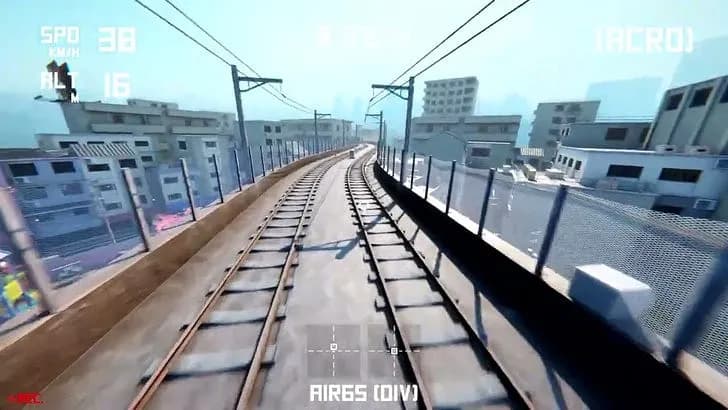
In a personal blog post, the author (going by divyenduz) recounts learning to fly first-person-view (FPV) drones over the past year, starting in the Liftoff simulator with a RadioMaster Pocket controller and a playlist by Joshua Bardwell. After about 10 hours of simulator practice the hobby lapsed for roughly a year; in early July 2026 the author returned to it, logged another 10 hours (20 total), and moved from 5-inch simulated drones to real hardware: a BetaFPV Air65, a 17-gram tiny whoop chosen because such drones are cheap, crash-tolerant and require little licensing. The rest of the gear was a Fat Shark Echo FPV headset, a ViFly Whopstor 3 LiPo charger, and BetaFPV Lava 320mAh batteries. Buying that gear was the author's first serious use of AI: an agent called agy, built on Google's Antigravity platform, was asked to research options and compare prices across EU shops, and it overrode some of the author's initial picks, including steering the choice toward the Fat Shark Echo over an entry-level headset. Getting the hardware to actually talk to each other proved harder than the simulator: binding the drone to the radio, tuning the goggles to the drone's 5.8GHz video feed, and setting safe LiPo charge voltages (4.85V for flying, 3.85V for storage, never letting a cell sit below 3.3V for long, which the author says risks permanent damage or fire) all required working through unfamiliar terminology. Here the author leaned on a long chat thread with Gemini, asking which buttons to press and what to look for; the author estimates the setup would have taken at least a couple of days without AI, versus under an hour with it. The first real-world flight session was still rough, partly because the author had done only about 30 minutes of tiny-whoop-specific simulator practice out of 20-plus simulator hours logged on larger 5-inch drones. From there the AI's role expanded: the author manually configured throttle and rate settings in the BetaFlight app to keep things beginner-friendly, but had agy check that configuration in a browser without changing it, and the agent confirmed the settings looked reasonable. The author then had an AI review recorded flights alongside the flight-controller settings and return feedback in the style of a coach. The author now tracks two running totals as a self-built 'skill': about 40 hours of simulator time and 10 real battery packs flown. Separately, an AI agent was used to build a custom practice map of the author's apartment for a simulator called The Zone, working from a floor plan, dimensions and a walkthrough video; the author says the roughly two-hour job, done while doing chores, produced a rough but usable result. The post closes with the author's framework for what learning means, from knowing terminology through repeated practice to unconscious automaticity, and a stated goal of reaching 1,000-plus simulator hours and 1,000-plus real battery packs.
Key facts
- The author bought a BetaFPV Air65 (17g tiny whoop), Fat Shark Echo goggles, a ViFly Whopstor 3 charger and BetaFPV Lava 320mAh batteries after an AI agent called agy, built on Google Antigravity, researched gear and compared EU prices.
- A long chat thread with Gemini walked the author through binding the drone and tuning the goggles; the author estimates this cut initial real-hardware setup from a couple of days to under an hour.
- AI was also used to check BetaFlight flight-controller settings without changing them, and to review recorded flights and give coaching-style feedback.
- An AI agent built a custom practice map of the author's apartment for The Zone simulator from a floor plan, dimensions and a walkthrough video, in about two hours.
- The author currently logs about 40 simulator hours and 10 real battery packs, with a stated goal of 1,000-plus hours and 1,000-plus packs.
Why it matters
The post is a small, concrete data point for how consumer AI agents are already threaded through an ordinary hobby, not as a single chatbot query but across several distinct roles in one learning arc: shopping research and price comparison, hardware configuration review, coaching-style feedback on recorded performance, and generating a custom practice environment. It illustrates agentic AI (Google Antigravity) and a conversational assistant (Gemini) being used for different jobs within the same project rather than as one general-purpose tool.
Who it affects
Mainly FPV drone hobbyists and beginners weighing similar gear and setup choices. More broadly, it is a case study for anyone curious about using AI agents and chat assistants to accelerate a hands-on physical skill that involves both equipment configuration and iterative practice.
How to use it
The tools named are Gemini (chat-based troubleshooting), an agent called agy running on Google Antigravity (gear research, configuration checks, flight-map generation), the Liftoff and The Zone flight simulators, and the BetaFlight app for flight-controller tuning. The source gives no prices for any of the gear, despite mentioning that AI compared prices across EU shops, so no cost figures can be reported.
How solid is it
This is a single, self-reported account from one hobbyist's blog, not an independent test or a vendor claim. The hours, pack counts and before/after AI time estimates (a couple of days versus under an hour) are the author's own self-tracked figures, not independently verified.
Risks and caveats
The LiPo battery-safety guidance (charge to 4.85V for flying, 3.85V for storage, never let a cell sit below 3.3V for long due to damage and fire risk) is presented as the author's own understanding rather than a cited manufacturer or safety-authority source. The AI's role in checking flight-controller settings was limited to confirming the author's manual configuration looked reasonable, not designing it. As an anecdote from one enthusiast, the account does not establish how well this generalizes to other beginners or other AI tools.
“All in all, without AI, it might have taken me at least a couple of days to figure everything out. With AI, I was air borne in under 1 hour.”
— the post's author, divyenduz